
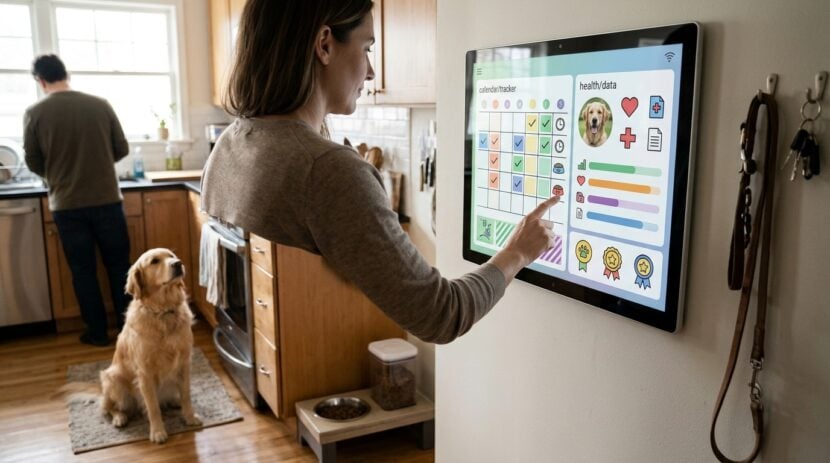
Pet healthcare has experienced a noticeable shift toward integrative wellness. Today, veterinarians and animal care professionals frequently combine standard diagnostic medicine with holistic therapies, nutritional counseling, and environmental wellness strategies. As treatment plans become more multifaceted, communicating these recommendations to pet owners inside a standard exam room can become challenging. Complex explanations often overwhelm pet guardians who are already concerned about their companion animals.
Interactive displays provide a natural solution to this communication hurdle. By converting conventional walls, tables, and flat panels into responsive digital surfaces, veterinary practices can turn passive explanations into engaging visual dialogues. Instead of relying on static printed brochures or rapid verbal advice, clinicians can project high-resolution diagrams, adjust therapeutic schedules on screen, and invite pet owners to participate directly in care planning.
When clients can see their pet’s health information displayed clearly in a shared space, anxiety decreases and collaboration improves. This shared visual approach establishes a modern consultation environment where veterinarians, clinical staff, and pet owners work together toward long-term animal vitality.
Enhancing Client Education with Visual Consultations
Integrative veterinary medicine focuses heavily on the connection between physical symptoms and overall lifestyle. Explaining how diet, joint mobility, muscular tension, and emotional stress influence one another requires intuitive visual aids. Large touchscreens give clinicians the ability to open detailed anatomical diagrams, rotate multidimensional skeletal structures, and zoom in on specific organs with simple touch gestures.
During an orthopedic or mobility consultation, for instance, a veterinarian can place video footage of a dog’s gait side by side with a digital joint diagram. The practitioner can draw directly on the screen to highlight areas of stiffness, explain compensatory movement patterns, and outline targeted rehabilitation therapies. When owners see these biomechanical factors illustrated clearly, they gain a much deeper appreciation for why specific exercises or adjustments are necessary.
While our earlier discussion addressed interactive displays for care centers, clinical consultation rooms demand an even greater level of diagnostic precision and client communication. By positioning interactive touch technology at the center of the exam suite, veterinary teams eliminate confusion, clarify treatment goals, and ensure clients leave with full confidence in their care decisions.
Guiding Natural Care and Daily Animal Routines
A primary goal of holistic pet care is helping guardians establish positive, health-supporting habits at home. Integrative practitioners frequently prescribe daily physical routines, specialized feeding schedules, low-impact exercise, and calming environmental modifications. Even so, many pet parents struggle to maintain these multifaceted regimens once they return to their busy households.
Interactive wall systems allow clinicians to build daily schedules collaboratively with the pet owner. Using a simple drag-and-drop touch interface, the practitioner can arrange daily activities such as morning stretching, midday enrichment puzzles, and evening massage sessions onto a visual calendar. Clients can actively tap to adjust timings so that the plan complements their personal work schedules and home environments.
Visual technology also shines when teaching low-stress handling methods and positive reinforcement techniques. When exploring supportive daily routines and fostering natural companionship, educational platforms such as animals-photos.net highlight how natural care practices and mindful interaction strengthen the unique bond between humans and their animals. Displaying photographs and instructional video demonstrations on a large screen helps pet owners master correct handling postures and positive bonding activities before attempting them at home.
Demystifying Supplements and Botanical Therapies
As interest in complementary wellness grows, pet owners frequently visit clinics with questions about herbal supplements, botanical remedies, and therapeutic oils. Navigating options such as hemp compounds, adaptogenic mushrooms, and joint supplements can feel daunting for guardians who are unfamiliar with proper dosing methods, extraction standards, or potential interactions with prescription medications.
Interactive screens enable practitioners to address these questions transparently without cluttering the consultation room with commercial sales material. Clinicians can pull up interactive comparison charts that explain the distinctions between whole-plant extracts, isolates, and broad-spectrum formulations. With a few taps, a veterinarian can illustrate how plant-derived cannabinoids interact with an animal’s endocannabinoid system, breaking down complex physiological concepts into easily digestible visual lessons.
Pet owners benefit substantially from building a balanced baseline of knowledge before introducing any new supplement into an animal’s daily routine. To understand different product categories, administration methods, and potential side effects, consulting specialized educational blogs such as cbdjiaoyi.com allows pet owners to explore foundational information about oils, capsules, and topical balms. Discussing these independent educational insights during a veterinary consultation helps owners choose suitable, clean products while avoiding adverse interactions.
Practical Steps for Installing Interactive Technology
Introducing interactive touch technology into a veterinary clinic does not require a disruptive renovation. Practices can integrate responsive surfaces into their existing consultation rooms through a sensible, step-by-step process:
- Assess the examination room layout to decide whether a wall-mounted screen, an interactive consult table, or an adjustable mobile cart offers the best ergonomics for staff and clients.
- Select commercial-grade display hardware featuring durable, antimicrobial glass that withstands routine clinical sanitization and animal contact.
- Connect the display system to the clinic’s digital imaging archive, electronic health records, and educational media libraries for rapid access during appointments.
- Conduct focused training sessions so veterinarians and technicians can navigate digital tools, sketch notes, and share visual files smoothly while interacting with patients.
Mounting displays at a comfortable seated height ensures that both the pet owner and the veterinarian maintain eye contact and natural posture throughout the consultation. Furthermore, placing screens safely out of direct paw reach prevents accidental inputs while keeping the visual material fully accessible to everyone in the room.
Creating Collaborative Treatment and Follow-Up Plans
The closing minutes of an integrative wellness consultation are critical for setting the client up for success. Instead of handing over handwritten instructions or hurried discharge papers, practitioners can use the interactive screen to consolidate all discussed points into an organized digital summary.
The veterinarian can quickly review the annotated diagrams, the agreed-upon home exercise schedule, and any dietary or supplemental plans displayed on the screen. With a quick tap, the system bundles these visual assets into a single comprehensive file and transmits it directly to the client’s email or client portal account. Having access to the identical visual materials discussed during the visit significantly boosts client confidence and improves adherence to the pet’s care plan.
As modern veterinary care continues to incorporate holistic principles, clear communication remains the bedrock of compassionate medicine. Interactive touch technology elevates everyday consultations by replacing uncertainty with clarity, transforming pet wellness discussions into truly collaborative partnerships between practitioners and dedicated pet guardians.