
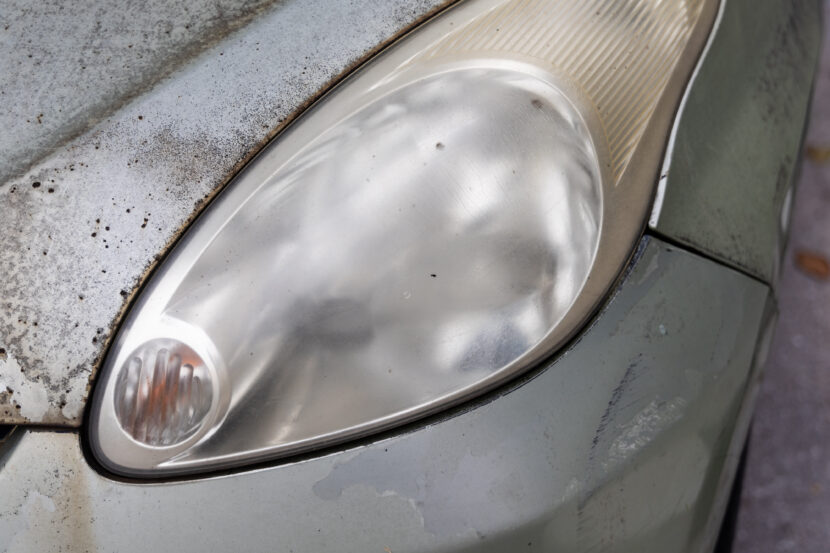
Few things are more frustrating than glancing at your car and noticing a foggy, water-speckled headlight staring back at you. That cloudy pool of moisture trapped behind the lens isn’t just an eyesore—it’s a sign that something has gone wrong with the seal protecting your headlight’s internals. Understanding why moisture ends up inside your headlight housing is the first step toward fixing the problem and preventing it from coming back.
The Basic Design of a Headlight Housing
Every headlight assembly is built to be weatherproof, but not completely airtight. Inside the housing sits a bulb or LED array, wiring, and sometimes a reflector or projector lens. Manufacturers seal the housing with adhesive or a rubber gasket to keep water out, while also including small vents to let air pass through. Those vents are necessary because headlights generate heat, and heat needs somewhere to go. This balance between sealing and venting works well when everything is intact, but any disruption to that balance can let humidity sneak in.
Temperature Changes and Condensation
One of the most common causes of moisture buildup is simple condensation. When you turn on your headlights, the bulb heats the air inside the housing. Once you shut the car off, that air cools rapidly, especially in cold weather or after rain. As warm air cools, it releases moisture in the form of tiny water droplets, which cling to the inside of the lens. This is the same principle behind a bathroom mirror fogging up after a hot shower. In most cases, this light condensation clears on its own once the headlight warms up again. It’s only a concern when the moisture lingers, pools, or returns repeatedly.
Compromised Seals and Gaskets
While minor condensation is normal, persistent water intrusion usually points to a broken seal. Headlight housings are typically sealed with adhesive that bonds the lens to the housing base. Over time, exposure to sunlight, heat, and road vibration can cause that adhesive to weaken, crack, or shrink. Once the seal is compromised, water from rain, car washes, or road spray can enter and stay trapped, since it has no easy way to evaporate. A failing gasket around the bulb socket or wiring harness can create the same issue, giving water a direct path into the housing.
Cracks, Chips, and Physical Damage
Physical damage is another straightforward culprit. A small crack from a rock strike, a chip near the edge of the lens, or damage from a minor collision can all create an entry point for water. These openings might be too small to notice at first glance, but they’re often large enough to let moisture seep in during heavy rain or a thorough car wash. Damaged housings tend to get worse over time, especially if they’re left unaddressed, since the growing crack allows more water in with each exposure.
Clogged or Damaged Vents
Those small vents mentioned earlier play a bigger role than most people realize. They’re designed to equalize pressure and let humid air escape. When debris, dirt, or old adhesive clogs these vents, moisture has nowhere to go once it gets inside. Some vehicles also rely on a small tube or membrane vent that can degrade with age, losing its ability to filter air while blocking water. When this happens, the housing effectively becomes a sealed container that traps whatever humidity finds its way in.
Why Headlight Restoration Matters
Understanding these causes highlights why proactive headlight restoration is so valuable. Restoring a headlight isn’t just about polishing away yellowing or cloudiness on the outer lens. A thorough restoration often includes inspecting and resealing the housing, which addresses the root causes of moisture intrusion before they lead to bigger problems. Skipping this step means even a beautifully polished lens could fog up again within a season if the underlying seal issue isn’t fixed.
Preventing Future Moisture Problems
The best defense against moisture buildup is regular inspection. Check your headlights periodically for cracks, gaps, or discoloration around the seams. Keep vents clear of dirt and debris, and address any chips or cracks in the lens as soon as you spot them. If moisture does appear, don’t ignore it—persistent fogging can accelerate bulb corrosion, dim your lights, and create long-term damage that’s harder to reverse. Taking care of small issues early keeps your headlights clear, functional, and ready to perform when you need them most.