
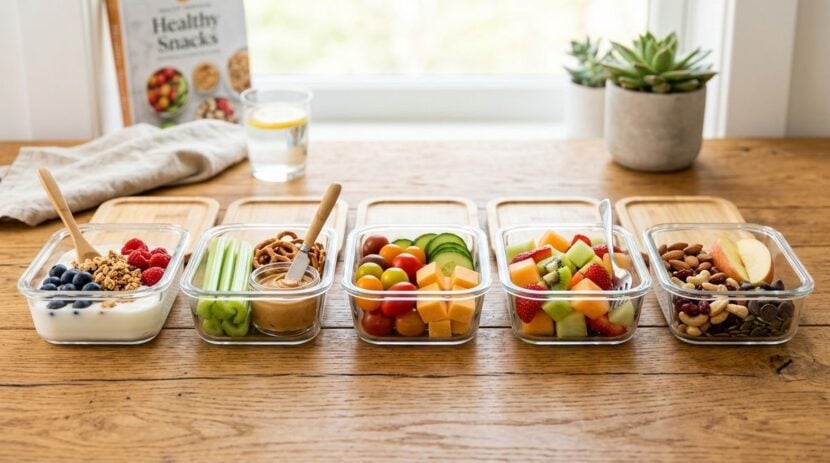
Organizing a household kitchen often feels like managing a complex small-scale supply chain. Without a reliable system for tracking ingredients, households frequently face the dual challenges of food waste and inconsistent dietary habits. By applying basic data management principles, you can transform your pantry from a chaotic storage area into a streamlined, tech-integrated resource that supports your long-term health goals.
Establishing Foundations for a Smart Inventory
The first step in digitizing your kitchen management is moving away from manual, memory-based tracking. Many homeowners struggle simply because they lack a clear view of what is already in their cupboards, freezers, and refrigerators. Start by creating a simple inventory structure that tracks not just item names, but also categories and estimated shelf life.
You can use a basic spreadsheet or a dedicated inventory application to log your staples. The goal is to create a searchable database that lets you know exactly when to restock items before they run out. This approach reduces unnecessary shopping trips and helps prevent the accidental purchase of duplicates. Focusing on organizing your inventory creates the bandwidth to explore high-quality, natural ingredients, such as those found at Meadow View Sugar House, which offers resources on integrating simple, wholesome components into your daily meals.
Once you have a baseline, the next priority is standardizing how you record this data. Consistent naming conventions make it easier to search your list later. Avoid overly complex tagging systems that become burdensome to maintain. Instead, keep it functional and focused on what you actually consume regularly.
Digitizing and Categorizing Your Pantry
With a structure in place, begin populating your digital pantry. This process requires a bit of upfront effort, but the long-term efficiency gains are substantial. Categorize your items by storage location or food group to simplify your future updates. When you return from the store, take a moment to update your digital record immediately to keep the data current.
This organized view is particularly helpful when managing nutrition. When you can see the breadth of your ingredients at a glance, it becomes easier to plan balanced, nutrient-dense meals rather than relying on whatever happens to be near the front of the shelf. If you need structural guidance on how to organize your nutritional planning, you can find expert advice from The Candid RD, which helps simplify the complexities of healthy eating.
For those who prefer a more visual approach, you might consider using digital labels or QR codes on storage containers. This allows you to scan items as you use them, automatically removing them from your inventory. This level of automation ensures that your data remains a true reflection of your current supplies.
Essential Components to Include
- Perishable fresh produce and dairy items
- Dry goods like grains, legumes, and nuts
- Spices and frequently used condiments
- Frozen proteins and vegetables
- Staple oils and natural sweeteners
Structuring Your Recipe Database
Inventory management is most effective when directly linked to your meal planning. A static list of ingredients is useful, but a list linked to a searchable recipe database is far more powerful. When you develop recipes, clarity is paramount to ensure your planning remains accurate and sustainable.
The process of refining your recipe notes is quite similar to the methodology used when drafting informative product descriptions. If you are documenting your own home-cooked recipes, you might benefit from reviewing tips for writing clear product pages. Applying similar principles of precision and straightforward language to your recipe cards will ensure you can consistently replicate your favorite meals.
By tagging your recipes with the specific ingredients they require, you can cross-reference them against your digital inventory. This allows you to quickly see which meals you can prepare right now with the supplies you currently have on hand, effectively bridging the gap between your digital storage and your kitchen output.
Developing Efficient Meal Cycles
Once your recipes and inventory are synced, you can begin to develop automated meal cycles. Instead of planning from scratch each week, you can rotate through established cycles that you know fit your dietary needs and ingredient availability. This practice reduces the mental energy required for daily meal decisions.
Start by identifying a core group of recipes that utilize your frequently restocked staples. Group these into weekly templates. This structure provides a baseline that you can easily modify based on special occasions or seasonal availability. The key is to keep the templates flexible enough to adapt to changes but stable enough to simplify your planning process.
During these cycles, periodically audit your inventory usage. Note which items tend to sit unused and adjust your future cycles to avoid these ingredients. This iterative process of refinement is the hallmark of an effective, self-sustaining kitchen system.
Maintaining Consistency and Digital Hygiene
The long-term success of your kitchen management system depends on consistent maintenance. Just as you perform routine updates on your computer, your digital kitchen inventory requires regular hygiene. Schedule brief, frequent sessions to update your inventory and review your meal plans rather than attempting massive, infrequent overhauls.
If you find that your system is becoming overly complex, do not hesitate to simplify. The most effective tools are often the simplest ones that you actually enjoy using. If a specific tracking method feels too burdensome, replace it with something more streamlined. The ultimate objective is to create a kitchen environment that reduces stress and encourages healthy habits through better organization.
Technology should ultimately serve as a silent assistant in your home, operating in the background to handle the logistical demands of kitchen management. By keeping your data clean and your processes consistent, you create a home environment where healthy eating becomes the default, rather than an added chore. Maintain focus on the practical application of your tools, and your kitchen will become a more functional space for your entire household.