
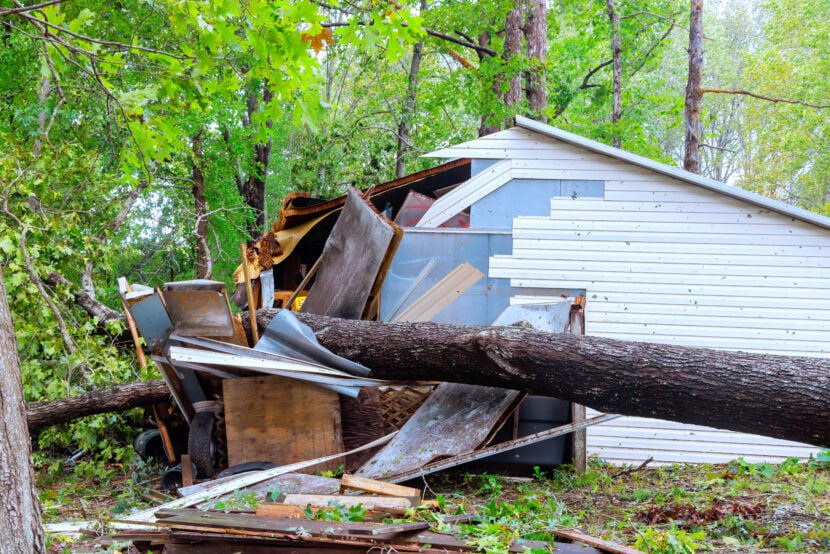
A disaster turns your world upside down in a matter of hours. Whether it’s a flood, fire, storm, or earthquake, the aftermath can feel completely overwhelming. The dust settles, and suddenly you’re staring at what’s left — trying to figure out where to even begin.
The good news? Recovery is possible. It doesn’t happen overnight, but with a clear process and the right support, you can rebuild your life step by step.
Step 1: Prioritize Safety First
Before anything else, make sure you and your family are physically safe. Don’t return to a damaged property until authorities confirm it’s safe to do so. Structural damage, gas leaks, downed power lines, and contaminated water are all serious hazards that aren’t always visible at first glance.
If you’ve been displaced, connect with local emergency shelters, relief organizations, or family members who can provide temporary housing. Your safety — and your family’s — is the only priority right now.
Step 2: Document Everything
Once it’s safe to return, document all damage thoroughly before touching or moving anything. Take photos and videos of every room, every damaged item, and every structural issue. This documentation is critical for your insurance claim and any disaster relief applications.
Make a detailed list of damaged or destroyed belongings, including approximate values where possible. Keep copies of all records, both digitally and in physical form, so nothing gets lost during the recovery process.
Step 3: Contact Your Insurance Provider
Reach out to your insurance company as soon as possible. Report the damage, file your claim, and ask about your policy’s specific coverage — including temporary living expenses if your home is uninhabitable.
Understanding your policy is essential. Ask questions if anything is unclear. Find out what the claims timeline looks like and what steps you need to take to avoid delays. Keep a log of every conversation you have with your insurer, including dates, names, and what was discussed.
Step 4: Apply for Disaster Assistance
Insurance doesn’t always cover everything. Many government programs and nonprofit organizations offer financial assistance, low-interest loans, and other resources to disaster survivors.
In the U.S., FEMA provides individual assistance programs for eligible survivors. Local community organizations, faith-based groups, and disaster relief agencies like the Red Cross can also connect you with food, clothing, and other immediate needs. Don’t hesitate to ask — these programs exist specifically to help people in your situation.
Step 5: Create a Recovery Plan
Once immediate needs are handled, it’s time to think long-term. Work with contractors to assess structural repairs. Prioritize which repairs need to happen first — focus on making your home safe and livable before worrying about cosmetic fixes.
Be cautious of contractors who show up uninvited after a disaster. Always verify licenses, read contracts carefully, and avoid paying large sums upfront. Disaster fraud is unfortunately common, and protecting yourself financially matters just as much as the physical repairs.
Step 6: Take Care of Your Mental Health
Rebuilding a home is hard. Rebuilding emotionally can be even harder. Feelings of grief, anxiety, and exhaustion are completely normal after a disaster. Acknowledge them rather than pushing through without support.
Lean on your community, connect with a counselor if needed, and give yourself permission to grieve what was lost. Recovery is not a linear process — there will be setbacks, and that’s okay.
The Road Ahead
Rebuilding after a disaster is one of the hardest things a person can go through. But it’s also a process — methodical, manageable, and ultimately achievable. Take it one step at a time, ask for help when you need it, and know that recovery, while difficult, is within reach.