
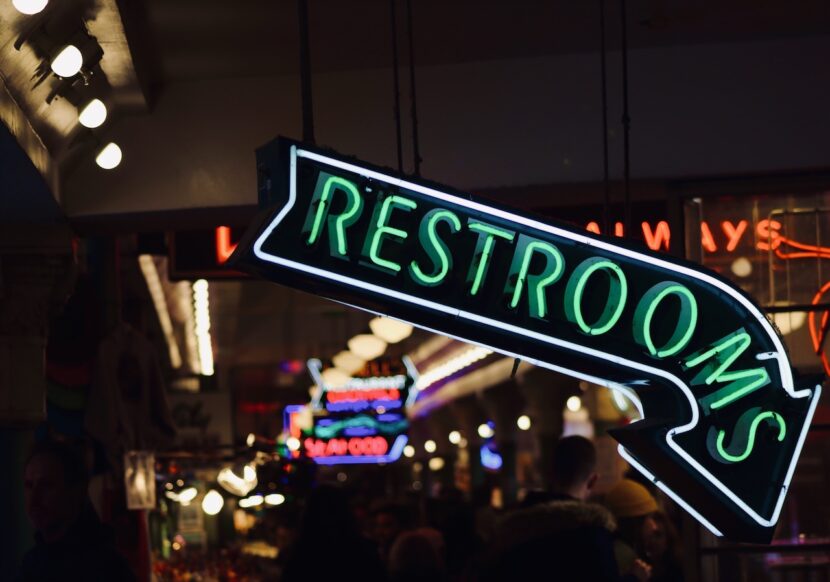
Illuminated signs play a pivotal role in capturing attention and communicating messages effectively, be it for businesses, public services, or advertisements. The right lighting not only enhances visibility but also ensures that the message stands out regardless of the time of day or weather conditions. To better understand the options available, let’s dive into the types of internal and external illumination for signs.
Internal Illumination for Signs
Internal illumination involves placing the light source within the sign itself. This type of lighting ensures consistent brightness and can make signs highly visible, even from a distance. Here are some of the most common methods:
1. LED Lighting
Light Emitting Diodes (LEDs) are a popular choice for internally illuminated signs due to their durability, energy efficiency, and vibrant lighting. LEDs can be custom-configured to light up specific areas of a sign or to create dynamic displays using programmable effects. These are especially common in channel letters, box signs, and digital signage.
2. Fluorescent Tubes
Fluorescent lighting was a standard for internal illumination for many years, particularly for larger signs like illuminated store fronts or light box signs. They provide even, diffused lighting, but they’ve largely been replaced by LED technology due to LEDs’ longer lifespan and lower energy consumption.
3. Neon Lighting
Neon lighting involves illuminated glass tubes shaped to form text or intricate designs filled with gases like neon or argon. While neon signs are declining in popularity compared to LEDs due to their maintenance needs, they are still admired for their nostalgic glow and uniqueness, making them a favorite for certain types of businesses.
External Illumination for Signs
Unlike internal illumination, external lighting involves shining a light source onto a sign from the outside. It’s the preferred choice for certain sign materials or non-electrical signs. Here are some widely used external illumination methods:
1. Floodlights
Floodlights are ideal for illuminating large signs, especially billboards. They are mounted on nearby poles or fixtures and cast a wide beam of light to cover the entire sign. Floodlights can be adjusted for intensity, ensuring the sign remains visible during nighttime.
2. Gooseneck Lighting
Known for their distinctive curved arm design, gooseneck lights are often used for retail storefront signs to give them a classic or vintage appeal. These lights can be directed precisely at the sign, ensuring optimal visibility while adding an aesthetic element to the overall signage design.
3. Spotlights
Spotlights are another external option that offer controlled illumination. Much like gooseneck lights, they allow businesses to highlight specific signage, making it stand out against the surrounding environment. These are commonly seen in high-end retail facades.
4. Backlighting for Transparent Signs
Although technically external, backlighting for signs involves placing light sources directly behind a translucent or clear sign surface. This technique creates a halo effect, giving the sign a dimensional and modern look.
Internal vs. External Illumination: Which Should You Choose?
The decision between internal and external illumination depends on various factors, such as the purpose of the sign, its location, and the desired design aesthetic.
- Choose internal illumination if you want consistent brightness, energy-efficient options (such as LEDs), or a cutting-edge modern look. This is particularly ideal for high-traffic areas and branding that needs to be constantly visible, both day and night.
- Opt for external illumination if you favor non-electric designs or wish to highlight the natural texture of materials like wood or metal. External lighting also works well in historic or minimalist settings.
Conclusion
Whether you’re selecting internal or external illumination for your signage, understanding the options available is key. Each type of lighting—be it LED, neon, gooseneck, or spotlights—offers unique advantages that can elevate your signage’s effectiveness and appeal. By choosing the right lighting, you ensure that your sign not only communicates its message but also leaves a lasting impression, making it an invaluable part of your branding strategy.