
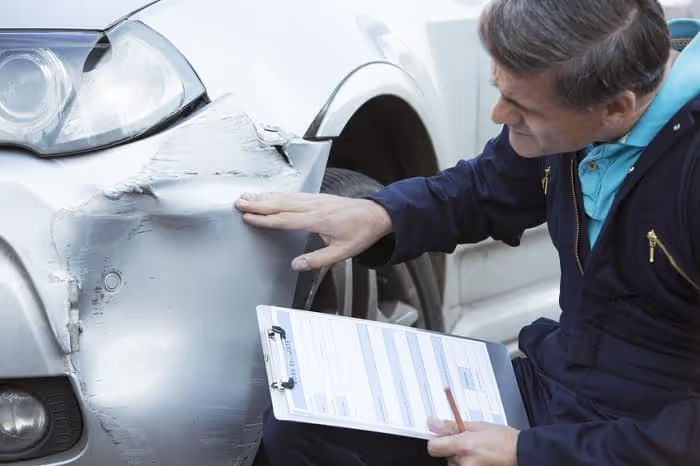
Being involved in a car accident can leave drivers with a lot of questions about what to do next. After dealing with insurance claims, repairs, and the stress of the crash itself, many people begin to wonder whether they should keep their vehicle or move on to something new. One option that many Virginia drivers consider is trading in their damaged car at a dealership.
The good news is that trading in a vehicle after an accident is often possible, even if the car still has damage or an accident record. Dealerships frequently accept vehicles with accident histories as trade-ins. Understanding how the process works can help you make smarter decisions and avoid surprises when negotiating your next vehicle purchase.
Step 1: Assess the Condition of Your Vehicle
Before visiting a dealership, take time to evaluate the condition of your vehicle after the accident. Some damage may be obvious, such as dents, broken lights, or damaged body panels. Other issues may be less visible and could involve mechanical components or structural parts of the vehicle.
If possible, have a trusted mechanic inspect the car so you understand the extent of the damage. Knowing the condition of your vehicle helps you approach the trade-in process with realistic expectations.
Even vehicles that have been involved in serious accidents may still have value. Dealerships often send damaged vehicles to wholesale auctions or repair them before reselling them.
Step 2: Gather Important Documents
Having the right documents ready can make the trade-in process much smoother. When trading in a car after an accident, dealerships may ask for several pieces of information about the vehicle.
These may include:
- The vehicle title
• Insurance claim documentation
• Repair estimates or repair receipts
• Maintenance records
• Vehicle registration
These documents help the dealership understand the history of the vehicle and determine its potential resale value.
Step 3: Understand Your Vehicle’s Accident History
Most modern vehicle transactions involve checking a vehicle history report. These reports track accidents, insurance claims, title changes, and other important information about the vehicle.
If the accident was reported to an insurance company, it will likely appear on the vehicle’s history report. This does not mean the vehicle cannot be traded in, but it can affect the value that dealerships are willing to offer.
Vehicles with accident histories often experience something known as diminished value, which refers to the reduction in market value after a collision.
Step 4: Decide Whether to Repair the Damage
One of the biggest decisions drivers face is whether to repair the vehicle before trading it in. In some cases, minor repairs such as fixing small dents or replacing broken lights may improve the trade-in offer.
However, major repairs can be expensive and may not always increase the trade-in value enough to justify the cost. Dealerships often have access to repair facilities that allow them to fix vehicles at lower prices than individual owners can.
Because of this, some drivers choose to trade in their vehicle without completing major repairs.
Step 5: Research the Market Value
Before visiting a dealership, it can be helpful to research the value of your vehicle. Many online tools allow drivers to estimate the value of their car based on factors such as make, model, year, mileage, and condition.
When researching value, it is important to consider the accident history of the vehicle. A car that has been involved in an accident may be worth less than similar vehicles with clean histories.
Understanding the approximate value of your vehicle can help you negotiate more confidently during the trade-in process.
Step 6: Get Multiple Trade-In Offers
One of the best ways to maximize your trade-in value is to visit more than one dealership. Trade-in offers can vary depending on the dealership’s inventory needs, repair capabilities, and resale strategy.
Some dealerships may see more value in your vehicle than others. For example, a dealership that sells many vehicles of the same brand may be more willing to repair and resell a damaged car.
Getting multiple offers allows you to compare options and choose the best deal.
Step 7: Negotiate the Trade-In Value
Negotiation is a normal part of the car buying process. When trading in a damaged vehicle, it is important to remember that the dealership will consider repair costs, accident history, and resale potential when making an offer.
However, you still have the ability to negotiate. If you have researched your vehicle’s value and gathered information about repair costs, you may be able to make a stronger case for a better offer.
Being informed and prepared can make a big difference during negotiations.

Step 8: Finalize the Trade-In and Purchase
Once you agree on a trade-in value, the dealership will apply that amount toward the purchase of another vehicle. The value of your trade-in reduces the total price of the new or used vehicle you are buying.
This can lower your monthly payment or reduce the amount you need to finance. After signing the necessary paperwork, the dealership will take ownership of your vehicle and complete the transaction.
For many drivers, trading in a damaged car is one of the simplest ways to move on from a vehicle after an accident.
Final Thoughts
Trading in a car after an accident in Virginia is often easier than many drivers expect. Even vehicles with accident histories or visible damage may still have value to dealerships.
By assessing your vehicle’s condition, gathering important documents, researching its value, and comparing offers from multiple dealerships, you can improve your chances of receiving a fair trade-in offer.
Accidents can be stressful, but understanding the trade-in process can help drivers move forward and find their next vehicle with confidence.