
Veterinary practices operate in a uniquely demanding environment where medical precision meets emotional human experiences. Front desk personnel manage ringing phones, pharmacy pickups, and incoming emergency triage, while clinical staff work to communicate health assessments within tight appointment windows. When pet owners arrive with anxious companions, navigating busy reception areas can feel overwhelming for both humans and animals.
Modern veterinary facilities are exploring practical ways to enhance client interactions without placing extra demands on clinical teams. Clear communication, transparent treatment plans, and reduced wait times are critical components of a positive clinic experience. By modernizing physical spaces with intuitive technology, animal hospitals can create an organized, calming atmosphere from the moment a client steps through the doors.
Interactive touch displays provide an effective bridge between veterinary professionals and pet families. Turning plain walls, tabletops, and exam room partitions into responsive digital surfaces allows clinics to streamline intake procedures, support diagnostics, and deliver accessible educational content. These versatile installations help medical staff maintain focus on compassionate patient care.
Streamlining Patient Check-Ins and Intake Management
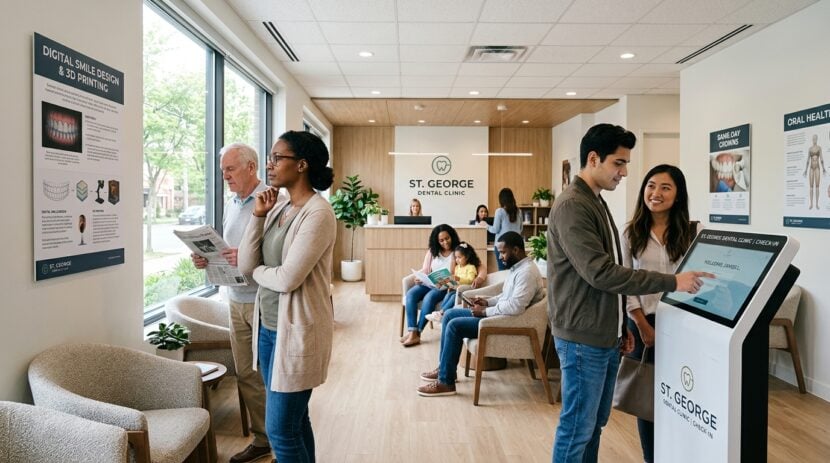
Arriving for a veterinary consultation can be a stressful event for pets and their owners alike. Crowded lobby desks often lead to barking dogs, startled cats, and noisy bottlenecks near entrance doors. Interactive self-service check-in kiosks positioned near the entrance give pet owners a quiet, efficient way to announce their arrival without standing in line.
Through simple touch interfaces, clients can confirm appointment details, verify current contact information, and review emergency phone numbers. The system can prompt owners to answer brief intake questions regarding recent appetite changes, mobility concerns, or new behaviors. While many families already appreciate interactive displays for pet routines at home, experiencing that same ease in a veterinary setting reduces visit anxiety. Once the client completes check-in, receptionists and technicians receive an automated alert with all updated notes.
This automated intake process significantly improves administrative efficiency. Digital records eliminate the time-consuming chore of deciphering handwritten clipboards and manually retyping information into practice software. Veterinary technicians can review accurate notes before calling the pet into an exam room, ensuring appointments begin promptly and clinical teams stay on schedule throughout the day.
Educating Clients with Visual Anatomy and Care Plans
Communicating complex medical diagnoses often proves challenging when relying only on verbal explanations or miniature pamphlets. Pet owners unfamiliar with veterinary terminology may struggle to visualize internal organs, orthopedic conditions, or dental pathology. Large interactive touchscreens mounted inside examination rooms give clinicians powerful tools to explain medical issues clearly and transparently.
During an examination, a veterinarian can bring up high-resolution anatomical illustrations, interactive skeletal structures, or actual digital radiographs on the screen. Zooming into a specific joint or highlighting gum inflammation with a fingertip makes conditions instantly understandable for pet parents. While reading pet wellness resources such as drfoxvet.net provides owners with helpful background on general animal health and preventive care, seeing customized visual explanations of their own pet’s specific diagnosis builds immediate confidence in recommended procedures.
Clinicians can also use interactive pens to annotate images, mark surgical targets, or outline phased rehabilitation exercises. These visual notes can be compiled into a digital visit summary and transmitted directly to the client’s email or client portal. Providing clear, personalized visual records helps families follow home care instructions accurately and reduces the volume of post-appointment clarification calls.
Enhancing Waiting Rooms with Interactive Wellness Hubs
The waiting room represents a valuable window of time that frequently goes underutilized in veterinary facilities. Traditional waiting rooms feature outdated printed brochures, bulletin boards with overlapping notices, and silent television monitors running generic video loops. Interactive display walls turn this passive waiting period into an engaging, self-directed learning opportunity for visiting pet parents.
A dedicated touch screen hub allows visitors to explore curated content libraries filtered by pet species, life stage, or lifestyle. For instance, an owner waiting with an active puppy can review puppy training milestones, house-training techniques, and dental care recommendations. Exploring educational articles on dogs-info.net offers pet owners extensive guidance on training methods and health fundamentals, and having an interactive screen in the clinic reinforces these essential habits right before meeting the doctor.
Interactive lobby hubs can also incorporate friendly quizzes on toxic household plants, seasonal hazard guides, and interactive calculators for daily exercise needs. Children accompanying their parents can interact with simple touch puzzles that promote safe pet handling and bite prevention awareness. Providing thoughtful, interactive distraction helps keep the waiting room quiet, relaxed, and mentally engaging for everyone present.
Practical Steps to Set Up Interactive Displays in a Clinic
Integrating touch screens into an animal hospital requires careful planning around animal safety, cleanliness, and ergonomic convenience. Veterinary clinics face unique operational demands, including curious paws, excited tails, and rigorous sanitation standards.
Clinic managers can follow a structured approach when planning, installing, and configuring interactive displays:
- Mount wall displays at an ergonomic viewing height that prevents accidental impact from energetic pets or medical equipment carts.
- Choose commercial-grade touch surfaces and protective coatings designed to withstand regular wipedowns with hospital-grade sanitizers.
- Develop clean navigation menus featuring large touch targets and high-contrast text that are easy to browse in well-lit rooms.
- Connect screen software to your central clinic management platform so patient records and appointment schedules update instantly.
- Place touchless hand sanitizing dispensers adjacent to each screen to maintain a hygienic environment for all visitors.
Before finalizing hardware placement, practice staff should walk through common room traffic patterns. Placing check-in screens away from narrow hallways and exam room entryways prevents crowding, ensuring clients can interact with the displays comfortably while medical teams move freely between clinical areas.
Fostering Collaborative Veterinary Consultations
Trust is the foundation of effective veterinary medicine. In conventional exam rooms, the veterinarian often sits behind a computer workstation with their back turned to the client while typing medical notes. This physical setup can create an inadvertent distance between the clinician and the pet owner during important discussions.
Shared interactive displays remove this barrier by placing medical charts, lab results, and treatment options front and center for both parties to see. Doctors and clients can stand side by side, reviewing weight trends, bloodwork panels, and medication schedules together on an intuitive screen. This shared perspective transforms the consultation into a collaborative dialogue where pet parents feel valued as active participants in their companion’s care.
When clients thoroughly understand their animal’s condition and the reasoning behind a treatment recommendation, they are far more likely to adhere to long-term medication regimens and follow-up schedules. Shared digital displays encourage open dialogue, answer unspoken questions, and strengthen the enduring bond between clinics and pet families.
Interactive touch displays offer veterinary practices a versatile, modern solution for improving patient experiences and streamlining daily operations. From independent check-in stations in the reception lobby to rich visual consultations in examination rooms, responsive display technology supports veterinary teams at every stage of the visit. By creating an open, informative, and collaborative environment, clinics can foster stronger client relationships and maintain their focus on delivering exceptional medical care to every animal that walks through the door.