
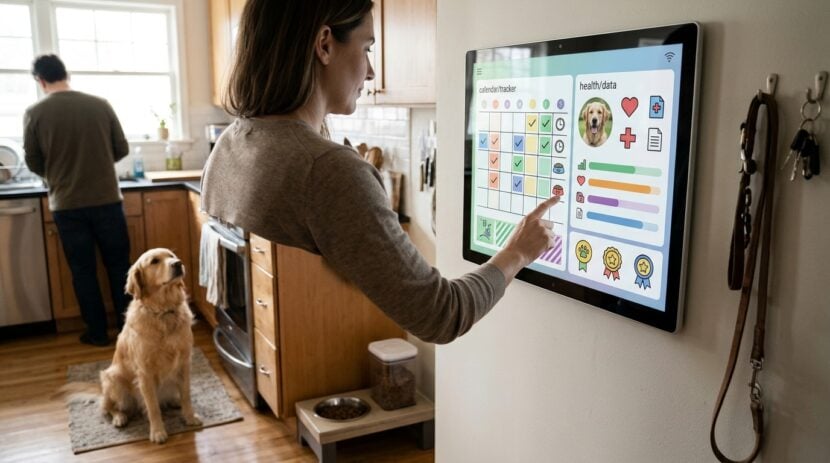
Pet care facilities face a unique operational challenge when welcoming clients. Mornings bring a rush of pet parents dropping off dogs and cats before work or travel, each with specific dietary notes, medication schedules, and exercise preferences. Traditional paper intake forms and standard counter interactions often lead to long lobby lines and fragmented communication between front-desk staff and kennel caregivers.
Modern interactive surfaces and touch displays offer a practical solution to streamline these operations. By converting ordinary lobby walls, counters, and standalone screens into responsive touch interfaces, animal care centers can create welcoming, efficient environments. These digital hubs provide pet guardians with clear information and allow staff to manage complex care routines with fewer administrative delays.
Rethinking the Pet Parent Check-In Experience
The check-in process sets the tone for a client’s entire boarding or daycare stay. When pet parents arrive at a facility, their attention is naturally divided between managing their pet on a leash and relaying vital care details to the front desk. An interactive check-in station allows owners to review pre-submitted booking information on a responsive touch screen with a simple tap.
Pet owners appreciate having immediate visibility into daily schedules, exercise yards, and playgroup assignments while confirming emergency contact details. Boarding facilities often serve active families who want regular updates, activity schedules, and transparent boarding routines. Families planning extended trips or looking for guidance on pet routines and lodging often turn to resources like ThePitsky.com for boarding preparation and travel tips. Offering a clean, self-guided touch terminal reassures these clients that their pet’s personalized instructions are recorded accurately before handoff.
Beyond basic registration, interactive displays can host digital signature pads for liability waivers and care agreements. This eliminates physical paper filing, reduces front-desk clutter, and automatically updates the animal’s profile across the internal facility management system. Staff members can then dedicate their full attention to greeting the animal warmly rather than typing notes into a desktop monitor.
Practical Steps to Set Up Interactive Front Desks
Transitioning from traditional clipboards to interactive displays requires thoughtful planning to accommodate both human visitors and enthusiastic animals. Facility managers can achieve a reliable setup by following several sensible steps.
First, evaluate the physical flow of your lobby. Place interactive displays in accessible zones away from narrow entryways and doorways where dogs might crowd or become reactive. Wall-mounted touch screens or durable tabletop units placed at comfortable standing heights keep cables completely concealed and away from curious paws.
Second, select commercial-grade hardware designed for high-traffic public spaces. Veterinary clinics and boarding lobbies experience constant movement, occasional moisture, and dust from pet hair. Durable glass surfaces that respond accurately to quick touches and allow frequent wiping down with non-toxic sanitizing wipes are essential for maintaining safety and hygiene.
Third, configure software interfaces with clear, high-contrast layouts and large interactive buttons. Clients should be able to complete check-in tasks within a few moments without navigating complex menus. Include a prominent button that immediately calls for staff assistance so no guest feels stranded during a busy morning rush.
Interactive Retail Displays for Natural Pet Wellness
Many modern boarding resorts and daycare centers operate a retail boutique in their reception area. While shelves display packaged food, supplements, and accessories, physical shelf space is inherently limited. Interactive digital catalogs expand retail offerings without requiring larger floor space.
A touch screen display in the waiting lounge allows pet owners to browse comprehensive ingredient lists, natural wellness items, and artisan pet products while waiting for their pet to be brought out. Facility operators can use interactive product catalogs to highlight all-natural treats, holistic grooming supplies, and specialty items created by independent makers, similar to the curated goods found at pet-select-shop.com for health-conscious animal lovers. Clients can read detailed background information on natural ingredients, select items for purchase, and add them directly to their boarding bill for convenient pickup.
Interactive retail screens also serve an educational purpose. Pet care providers can showcase seasonal advice, such as skin-soothing balms for dry weather or natural chews that alleviate separation anxiety. By offering engaging visual content on demand, facilities empower pet owners to make informed choices that benefit their companion animals.
Activity Boards and Daily Routine Transparency
Pet parents often experience anxiety when leaving their companions for an extended stay. Interactive community displays in the lobby or viewing area offer meaningful reassurance by showcasing the facility’s daily operational flow in real time.
A dedicated digital activity wall can display a rotating overview of daily center operations. Guests can tap into specific sections to view play yard assignments, staff rotation schedules, and rest period timetables. This openness builds trust between the care team and pet owners.
Interactive lobby boards are particularly useful for presenting clear, organized operational information, including:
- Scheduled group play sessions and rest rotations throughout the facility
- Staff certifications, caregiver introductions, and specialized care badges
- Daily enrichment themes, agility courses, and sensory play schedules
- Standard pickup procedures, holiday hours, and facility announcements
Providing this information through an interactive board reduces repetitive inquiries at the reception counter. Staff members spend less time answering routine procedural questions and more time focusing on animal supervision and direct care.
Connecting Facility Management Across Shared Spaces
Pet care centers increasingly operate within larger community settings, such as mixed-use residential complexes, urban commercial centers, and residential communities with dedicated pet amenities. In these environments, communication must extend beyond the kennel doors to integrate smoothly with building management.
Facilities located in multi-unit properties benefit greatly from coordinated digital communication systems. Community managers and on-site pet facilities can link scheduling and service notices, similar to how residential teams use interactive screens for residential property management to coordinate amenities, package deliveries, and resident requests. When pet daycare check-ins connect with residential portals, pet parents can arrange daycare drop-offs, grooming appointments, and dog-walking handoffs directly through shared building interfaces.
Within the boarding facility itself, staff-facing interactive screens located in grooming suites, prep kitchens, and kennel wings keep all team members synchronized. When an owner updates a feeding instruction at the front lobby terminal, the adjustment immediately reflects on the kitchen preparation display. This real-time synchronization prevents missed instructions and supports consistent animal care.
Maintaining Hygiene and Hardware Durability
Any electronic equipment placed in an environment with animals requires ongoing care and maintenance. Pet hair, static electricity, and constant cleaning agents can affect display responsiveness if proper protocols are not maintained.
Establishing a daily maintenance routine ensures that touch screens remain clear, responsive, and hygienic. Staff should wipe down display surfaces with gentle, animal-safe disinfectants that do not degrade anti-glare or oleophobic coatings. Enclosures should be inspected regularly to ensure cable channels remain sealed and ventilation openings remain free of dust and pet dander.
Interactive touch displays bridge the gap between administrative efficiency and compassionate animal care. By turning reception areas, activity zones, and retail corners into responsive digital touchpoints, boarding facilities simplify daily workflows while providing pet parents with reassurance. Adopting accessible touch technology allows animal care teams to spend less time managing paperwork and more time delivering attentive, personalized care to every companion staying in their care.