
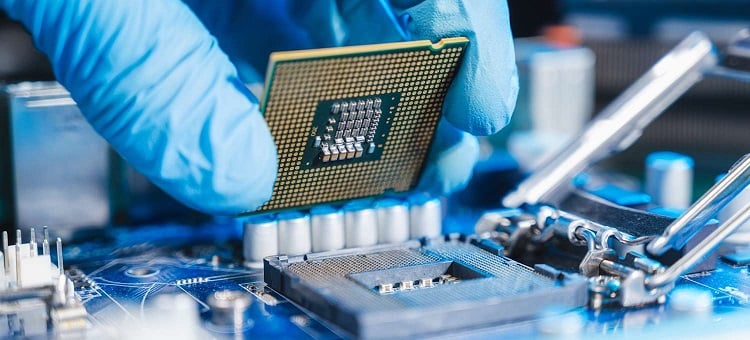
Technology shapes nearly every part of our lives, from how we communicate to the way we work, travel, and even relax. Smartphones, laptops, smart home devices, and electric vehicles are no longer luxuries—they are part of our everyday routine. Behind all these innovations lies one fundamental discipline: electronics. Understanding the basics of electronics is no longer just for engineers or technicians; it has become an essential skill for anyone looking to thrive in today’s world.
Electronics in Everyday Life
When you think about electronics, the first thing that may come to mind is a circuit board full of wires and components. But in reality, electronics are everywhere. Your smartphone, television, microwave oven, car, and even household appliances like washing machines and refrigerators depend on electronic systems to function.
Knowing how these devices work on a basic level not only satisfies curiosity but also gives you the ability to troubleshoot small problems. For example, being able to identify a faulty cable, a blown fuse, or a drained battery saves both time and money.
Moreover, with the rise of smart homes and wearable devices, electronics knowledge helps people make informed decisions when choosing, installing, and maintaining these technologies. Understanding how sensors, power supplies, and microcontrollers work bridges the gap between simply using gadgets and truly mastering them.
Building a Foundation for Innovation
Basic electronics knowledge is the foundation of innovation. Some of the greatest tech revolutions—like personal computers, smartphones, and renewable energy systems—were built on relatively simple electronic principles.
For students and hobbyists, experimenting with small electronic projects, such as building LED circuits or working with Arduino boards, develops problem-solving skills and creativity. These small steps often spark curiosity that can lead to larger breakthroughs in engineering, robotics, and automation.
Websites such as circuitdairy.com provide accessible tutorials, DIY project ideas, and troubleshooting guides that make it easier for beginners and enthusiasts to dive into this exciting field without feeling overwhelmed. Exploring such resources encourages learners to build practical skills that go beyond theoretical concepts.
Empowering the DIY Generation
In today’s digital age, there has been a resurgence of the “do-it-yourself” culture. Many people prefer learning how to fix or build their own devices rather than relying solely on professional services. This not only saves money but also fosters independence.
Understanding basic electronics equips individuals with the skills to repair small household gadgets, create custom tools, or even design new devices. For example, replacing a damaged capacitor in a speaker, soldering broken wires on a toy, or assembling a solar-powered light system all require elementary knowledge of electronics.
DIY electronics also promote sustainability by extending the life of gadgets. Instead of discarding devices over minor malfunctions, people with electronics know-how can repair and reuse them, reducing electronic waste. In a world where sustainability is becoming a priority, this skill is both environmentally and economically valuable.
Electronics in Career Development
The modern job market is increasingly tech-driven. Careers in robotics, artificial intelligence, renewable energy, and automation rely heavily on electronics. Even jobs that may not traditionally seem technical are being reshaped by digital tools and electronic systems.
Having a basic understanding of electronics sets individuals apart in many fields. For example, a mechanical engineer who understands sensors and microcontrollers can design more efficient systems. Similarly, a designer working with smart devices benefits from knowing how circuits affect the performance and limitations of the product.
Furthermore, as remote work and digital collaboration tools become the norm, being able to handle small electronic and technical issues independently ensures productivity and reduces reliance on external support. For students entering the workforce, familiarity with electronics is no longer optional—it’s a competitive advantage.
Electronics and the Future of Technology
Emerging technologies like renewable energy systems, electric vehicles, and robotics all rely on electronics. Solar panels, battery storage, and EV charging stations are underpinned by basic electronic components such as diodes, transistors, and capacitors. Similarly, fields like IoT (Internet of Things) and AI-powered devices require sensors and controllers that operate on simple electronic principles.
By learning basic electronics today, individuals prepare themselves for a future where technology will only become more integrated into daily life. Whether it’s maintaining a home solar energy system, programming a household robot, or adapting to new green technologies, electronic knowledge ensures adaptability in an evolving world.
Making Technology Accessible
One of the most important aspects of learning electronics is that it demystifies technology. For many, gadgets and devices feel like “black boxes” that work magically until they stop functioning. By breaking down these systems into their fundamental parts—power sources, resistors, capacitors, transistors—electronics becomes less intimidating and more approachable.
This accessibility empowers people of all ages. Children learning electronics through simple kits build critical thinking skills early. Adults, whether professionals or hobbyists, gain confidence in exploring new technologies. Seniors can even benefit by better understanding and managing devices that help improve their daily lives, such as medical equipment or smart home systems.
Electronics learning does not demand a degree or expensive equipment. With online tutorials, affordable kits, and resources available worldwide, anyone can begin their journey into this field at their own pace.
Conclusion
In today’s fast-paced, technology-driven world, learning basic electronics is not just an optional hobby—it is an essential life skill. From repairing household gadgets to exploring advanced careers in technology, electronic knowledge provides countless benefits. It fuels innovation, supports sustainability, empowers independence, and ensures adaptability in a rapidly changing environment.
As technology continues to evolve, those with a grasp of basic electronics will always be better equipped to understand, create, and thrive. Whether you’re a student, professional, or simply curious about how things work, taking the time to learn this skill is an investment in both personal growth and the future.