
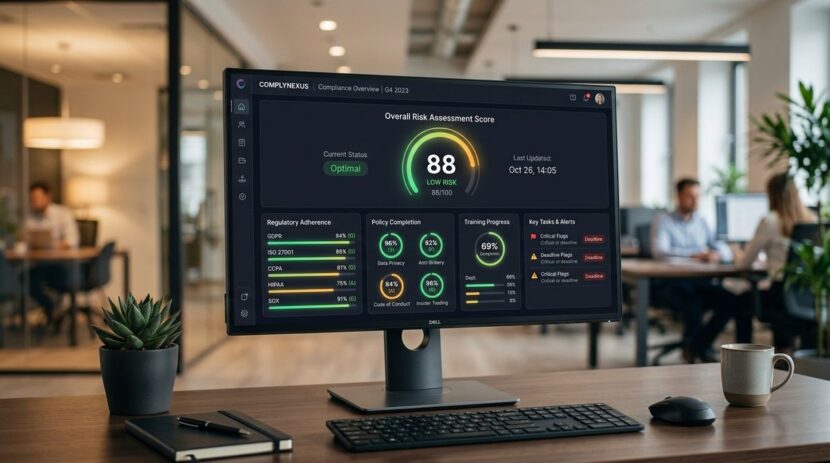
A small software team may be growing quickly, yet its money information often lives in several inboxes and spreadsheets. A finance dashboard can bring those figures into one view so that leaders spot problems early. Choosing the right setup takes some thought, because a dashboard that nobody trusts is worse than no dashboard at all. Clear goals make the rest of the process much easier.
The advice here is general and focuses on planning rather than on any particular product. Check with your accountant or finance advisor before making decisions that affect taxes, payroll or compliance. Use the steps below as a planning sequence rather than a fixed recipe.
Defining What the Team Needs to Track
Begin with a short list of questions the dashboard should answer. Leaders might want to know monthly spending on cloud services, the hiring budget left for the quarter or the number of months of runway at the current pace. Keep the list short at first, because a crowded screen hides the numbers that matter most. Assign an owner to each metric so someone is responsible for keeping it accurate. Readers may also want to visit rough-draft.net. Clear questions make the rest of the design much easier. Review the list with the team once a quarter to see whether the questions still fit the company.
Connecting Expense Data From Several Sources
Software teams often pay for tools with corporate cards, personal reimbursements and annual invoices. Map each source to a single category so that totals add up correctly. Check whether your accounting records can export data in a format that a dashboard can read. Testing the connections with one month of data reveals problems before the whole history is loaded. Keep a short note of every mapping decision so future changes stay consistent. Flag any expense that does not fit a category so it can be reviewed rather than hidden. A quick weekly check of unmatched items keeps the totals honest. You can also visit lunaticconstruction.com for more reading.
Setting Access Rules for Sensitive Figures
Not every team member needs to see salary totals, bank balances or customer payment details. Give each person access only to the views they need for their work. Use strong authentication and review user lists whenever someone changes roles or leaves the company. For a related read on this site, see How to Optimize Your Tech-Integrated Home Workspace. Restricting access protects the company and its employees from accidental exposure. Ask a second person to confirm the permission settings before you go live. Record who approved each access level so the decision can be explained later. A short review of the list each quarter keeps the access rules honest over time.
Reviewing Monthly Burn Rate Summaries
Burn rate shows how quickly the company spends its cash, and it is one of the most useful signals for a growing team. Build a monthly summary that compares planned spending with actual results and highlights the differences. Explain large variances in a short note so that everyone understands the reason behind each change. Founders and managers who want to present these figures calmly can study guides on startup finance, which describe how to explain burn rate without causing panic. Regular reviews keep leadership focused on decisions instead of surprises. Pair the summary with a brief list of actions for the coming month. Keep the summary to one page so people actually read it.
Keeping Forecasts Honest
Forecasts are only useful when they reflect real assumptions that the team can explain. Write down the growth rate, hiring plan and price changes that drive each projection. Compare past forecasts with actual outcomes to see where estimates tend to drift. Update the model when a major contract, product launch or staffing change alters the outlook. Honest forecasts earn trust, and trust makes the dashboard worth opening every week. Label every assumption clearly so that others can challenge it during planning meetings. Invite a skeptical colleague to review the model before it goes to leadership.
Turning Numbers Into Better Planning
A finance dashboard works best when it supports conversations about priorities rather than just recording history. Use the monthly review to decide which projects get funding and which need to pause. Share a simple version of the dashboard with the wider team so that engineers understand how their work affects the budget. Revisit the setup each quarter and remove any metric that nobody acts on. Thoughtful planning turns raw figures into a clear map for the next stage of growth. Celebrate the decisions that the dashboard helped make, not only the numbers themselves. Let the numbers prompt questions rather than simply deliver answers. Ask each manager to name one question the dashboard raised this month.