
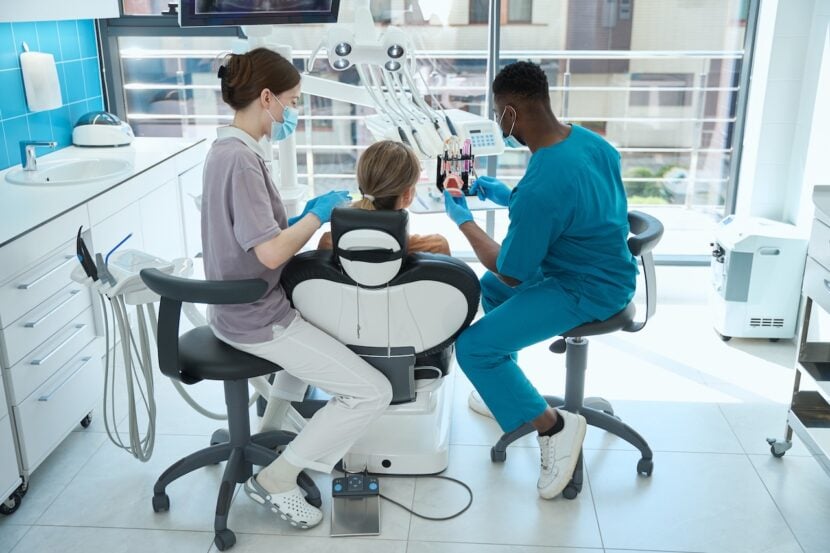
A clean, safe, and well-maintained environment is the cornerstone of any successful dental practice. By focusing on safety, not only do you ensure the well-being of your patients and staff, but you also foster trust and loyalty among those you serve. Below, we outline seven practices essential for maintaining a safe dental environment.
1. Rigorous Infection Control Protocols
Infection control is the backbone of patient safety in a dental setting. Implement clear protocols for sterilizing instruments, disinfecting surfaces, and maintaining hand hygiene. Equip your practice with autoclaves for sterilization and ensure all instruments undergo thorough cleaning before and after each use. Encourage your staff to stay up to date on the latest infection control training to handle potential risks proactively.
2. Use of Personal Protective Equipment (PPE)
Equip your dental team with high-quality, properly fitted personal protective equipment, including gloves, masks, goggles, face shields, and gowns. PPE serves as a barrier against cross-contamination and reassures patients that their health is your top priority. Regularly update PPE supplies and ensure compliance with regulatory standards in your region.
3. Regular Assessment of Equipment and Facilities
Faulty equipment or outdated facilities can pose safety risks to staff and patients alike. Conduct routine inspections and maintenance checks for dental chairs, X-ray machines, and other essential equipment. Partner with reliable service providers to address repairs or replacements promptly. A well-maintained workspace reflects professionalism and ensures the safety of all in your practice.
4. Comprehensive Staff Training
Having a well-trained team is non-negotiable for operating a highly safe dental practice. Provide ongoing training programs that cover emergency response, infection control, and proper equipment handling. Encourage open communication among your staff to address potential safety concerns before they escalate into issues.
5. Clear Patient Communication
Educate patients about what safety measures are in place during their visit. Clear communication builds patient confidence and helps alleviate any anxiety about potential risks. Share information about sterilization processes, PPE usage, and any other steps you take to prioritize health and safety. Transparency fosters trust, an invaluable asset in any dental practice.
6. Adhering to Industry Regulations
The dental industry is governed by strict regulations aimed at ensuring patient and staff safety. Stay informed about updated compliance standards from organizations such as OSHA, the CDC, and the ADA. Regular audits of your practice can help identify areas for improvement and avoid any legal complications.
7. Emergency Preparedness
Emergencies can happen at any time, so it’s vital to be prepared. Create an emergency protocol tailored to your practice that covers medical emergencies, power outages, and even unexpected staff shortages. Stock up on first aid supplies and ensure that your team is well-versed in CPR and first aid training. Being prepared to act swiftly in high-pressure situations is critical.
Why a Safe Dental Environment Matters
Maintaining safety in your dental practice signals professionalism, care, and a commitment to patient health. These seven practices can act as the foundation for a safe environment that both patients and staff can trust. Regularly evaluating your processes ensures you remain a step ahead of potential risks, creating an environment where your dental practice can thrive.
By consistently prioritizing safety, you enhance your credibility and build lasting relationships with your patients. Implement these practices today to ensure a safer and more welcoming dental environment for everyone involved.