
In October 2026, the NAHB/Wells Fargo Housing Market Index fell to 29, the lowest reading since June 2012, and its measure of prospective buyer traffic dropped five points to 18. When fewer buyers walk through model homes, builders slow their lot purchases and developers feel the pressure. Interactive tools, from online lot maps to live inventory dashboards, are one way developers and builders are trying to make every enquiry count.
|
What to know
|
What the October Index Showed
According to Trading Economics’ report on the October 2026 NAHB index, the Housing Market Index fell three points to 29, the second straight monthly decline. Current sales conditions dropped to 33, a 14-year low, sales expectations fell to 32 and prospective buyer traffic dropped to 18. Forty-three per cent of builders cut prices, with an average reduction of 6%.
NAHB chief economist Robert Dietz said housing remains squeezed by supply-side constraints and significant affordability challenges.
Why Buyer Traffic Matters to Land Developers
Builders buy finished lots based on how quickly they expect to sell homes. When traffic falls, builders slow takedowns, ask for extensions or push for lower lot prices. Developers who supply those lots see the effect in their cash flow within months.
Helping builders convert more of the buyers who do visit protects lot sales indirectly.
Interactive Lot Maps
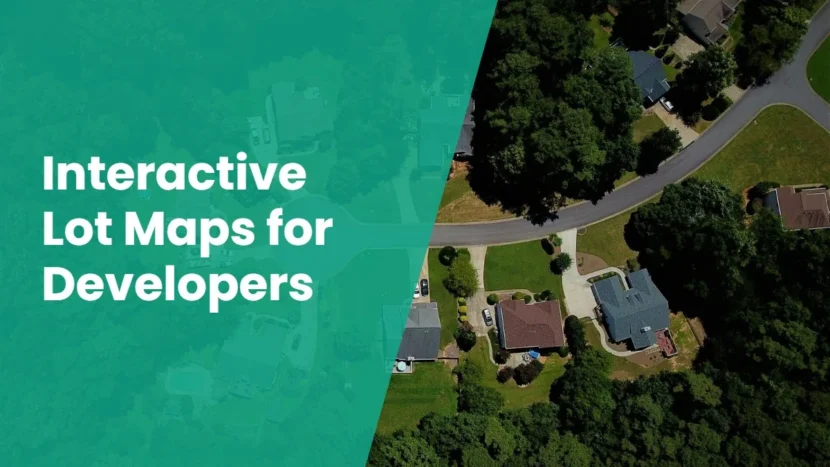
Many communities now offer online maps where buyers can see available lots, prices, orientations and home plans. A well-designed interactive map lets buyers explore options before visiting, which means the visits that do happen are more serious.
The map is only useful if lot status updates as soon as a reservation or sale is made.
The Data Behind the Map
An interactive map that shows a sold lot as available frustrates buyers and sales teams alike. Developers need a reliable source of truth for lot status, from development through takedown and closing, feeding marketing tools and sales teams.
Dedicated land development software that tracks every lot provides that source of truth alongside budgets and cost data.
Sharing Live Inventory With Builders
Developers selling to several builders can share live inventory and infrastructure progress, so builders know exactly which lots will be ready and when. That transparency helps builders plan marketing and construction more accurately.
It also reduces the volume of status calls and emails between teams.
Pricing Lots With Confidence
With 43% of builders cutting prices, developers face pressure on lot pricing. Knowing the full cost basis of each lot, including land, entitlements and infrastructure, shows how much flexibility exists before margins disappear.
Pricing decisions made without that data are guesses.
Lift performance belongs in the same early conversations as budgets and schedules. Design teams can model it with Lift traffic calculator from AdSimulo, which shows how waiting times change under real demand.
Interactive Dashboards for Internal Teams
Interactive dashboards are as valuable inside a developer’s business as they are for buyers. Drill-down views of budget variance, projected cost at completion and lot sales let executives explore problems instead of waiting for static reports.
Elevate Solutions builds real estate software natively on Acumatica’s cloud ERP, with dashboards that let users drill from portfolio to project level.
Incentives and Their Real Cost
Builders are leaning on incentives to keep buyers engaged. If developers share the cost through lot price reductions or extended terms, they need to understand the effect on project returns immediately.
Scenario models built from accurate lot data make those trade-offs clear.
Phasing to Match Demand
Interactive sales data shows which phases and lot types are moving and which are not. Developers can use that insight to phase infrastructure spending, opening new sections only when demand supports them.
Matching spending to demand protects cash in a soft market.
Keeping Lenders Informed
Lenders want regular updates on lot sales, takedowns and remaining budget. Live data makes it easier to answer questions quickly and prepare accurate draw requests.
Transparency is particularly valuable when market indicators weaken.
Unlimited Access for Sales and Field Teams
Per-seat licensing can stop firms from giving sales and field staff access to core systems. Elevate Solutions offers unlimited users with no per-seat fees, so more people can update and view lot status directly.
Information captured at the source is usually more accurate.
Readers who want more background can find it in Article Orbit’s article on why property managers are moving off spreadsheets.
Getting Started
Developers can start by making sure every lot has a single, accurate record with its status, cost and contract details. Connecting that data to marketing tools and builder reports then becomes much simpler.
Elevate Solutions says typical implementations take 8 to 12 weeks.
Helping Buyers Picture the Neighbourhood
Interactive lot maps let buyers see available plots, prices and features at a glance. When linked to live data, they update as lots sell, reducing confusion and building trust with buyers and builders.
The Takeaway
October 2026’s NAHB index showed buyer traffic at 18 and builder confidence at a 14-year low. Interactive lot maps and live dashboards can help builders and developers make the most of every enquiry, but only when the lot data behind them is accurate and current.
Would an interactive lot map make you more likely to visit a new community?