
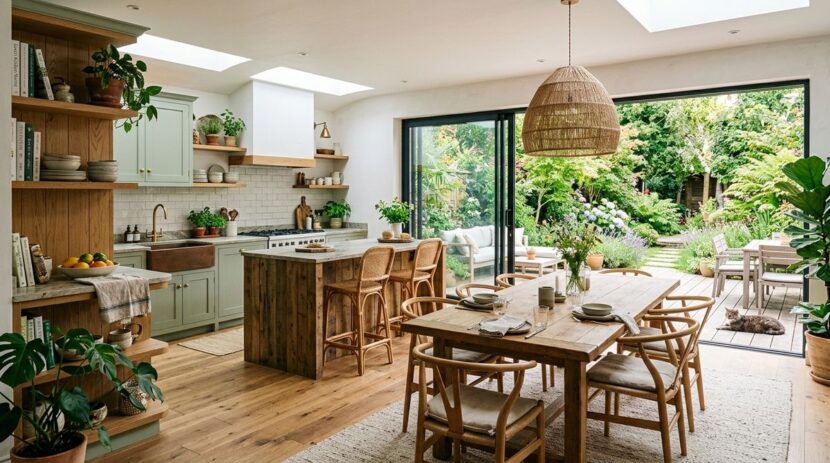
Bringing fresh ingredients directly into your kitchen space requires more than just sunlight and water. For enthusiasts of culinary technology, developing an automated indoor garden provides a consistent way to grow herbs and microgreens while reducing the manual oversight required for maintenance. By utilizing environmental sensors and simple control boards, you can create a setup that maintains the ideal conditions for plant health throughout the season, regardless of the outdoor climate.
The core concept involves creating a closed-loop system where sensors report on the status of your soil and air, while actuators respond to keep those conditions within a target range. This approach relies on components that are readily available to hobbyists and can be integrated into existing kitchen infrastructure without requiring significant structural modifications to your cabinetry or counter space.
Planning Your Automated Indoor Garden
Before selecting hardware, consider the placement of your garden system. Herbs thrive when positioned in areas that receive natural light, but they also require a stable environment to prevent wilting. Identify a location that allows for easy access to power and water while ensuring that the setup does not interfere with your daily cooking activities. This planning phase is essential for determining how much space your setup will require and how many plants you aim to cultivate.
Once you have identified a location, map out the layout for your pots, irrigation lines, and light sources. A modular approach often works best, as it allows for the expansion of the garden as you become more comfortable with the automation process. Focus on creating a space that is easy to clean and allows for proper drainage, as excessive moisture can be detrimental to many herb varieties.
Selecting Components for Environmental Oversight
The foundation of your automated system lies in the sensors you select to monitor the environment. Moisture sensors are critical for the soil, as they determine when your plants need hydration. Pair these with sensors that track temperature and humidity in the surrounding air. By gathering this data, you can build a clearer understanding of how your kitchen environment changes throughout the day and how those changes impact your plants.
When you seek inspiration for fresh cooking ingredients or new ideas for plant varieties, resources such as foody-goody.com provide excellent context on current culinary trends and the types of herbs that are gaining popularity in modern kitchens. Using this information can help you decide which varieties are best suited for your automated environment and how to incorporate them into your recipes once they are ready to harvest.
Establishing Reliable Lighting and Irrigation
Lighting is arguably the most important factor in the success of an indoor garden. While natural light is beneficial, it is rarely consistent. Using programmable light timers ensures that your plants receive a set amount of exposure regardless of the time of day or the season. For the housing of these light fixtures and other hardware components, Theleadbelly.com offers a range of aesthetic and structural inspiration that can help you integrate your technical components into your home in a way that feels intentional and minimalist.
Irrigation can be automated using simple solenoid valves connected to a water supply or a reservoir system. When the soil moisture sensor detects that the levels have fallen below a certain threshold, the valve activates to release water. This targeted approach prevents overwatering and ensures that your plants receive only the hydration they need.
Essential Setup Components
- Programmable light timers for consistent exposure
- Soil moisture sensors to prevent overwatering
- Environmental sensors for monitoring air temperature and humidity
- Solenoid valves for automated water distribution
- Modular shelving for organized plant placement
Streamlining Kitchen Ingredient Workflows
Once your garden is operational, the next step involves managing the output of your herbs. The integration of technology in the kitchen extends beyond just growing plants; it also involves efficiently tracking what you have on hand and how it is being used in your daily meal preparation. Integrating your garden data into your broader kitchen management strategy helps reduce waste and ensures you are always aware of your fresh ingredient status.
This kind of integration is similar in principle to connected pantry inventory systems, which allow you to maintain an accurate digital record of your supplies. By synchronizing your garden harvests with your pantry management habits, you create a seamless loop that informs your meal planning and shopping decisions, effectively turning your kitchen into a more responsive and intelligent workspace.
Maintaining System Consistency
Automation is not a set-it-and-forget-it solution. Your system requires periodic inspection to ensure that sensors are clean and that water lines are free of clogs or mineral buildup. Regularly calibrating your sensors is also important, as they can drift over time, potentially leading to inaccurate readings that cause the system to malfunction. By establishing a routine for checking your components, you can ensure that your garden remains productive and your automated controls function reliably.
Pay close attention to the way your plants respond to the automated conditions. If you notice signs of stress or improper growth, use that as feedback to adjust your light timers or moisture thresholds. This iterative process of monitoring and refining your automation settings is what separates a basic setup from a highly efficient, productive indoor garden that consistently provides fresh herbs for your kitchen.