
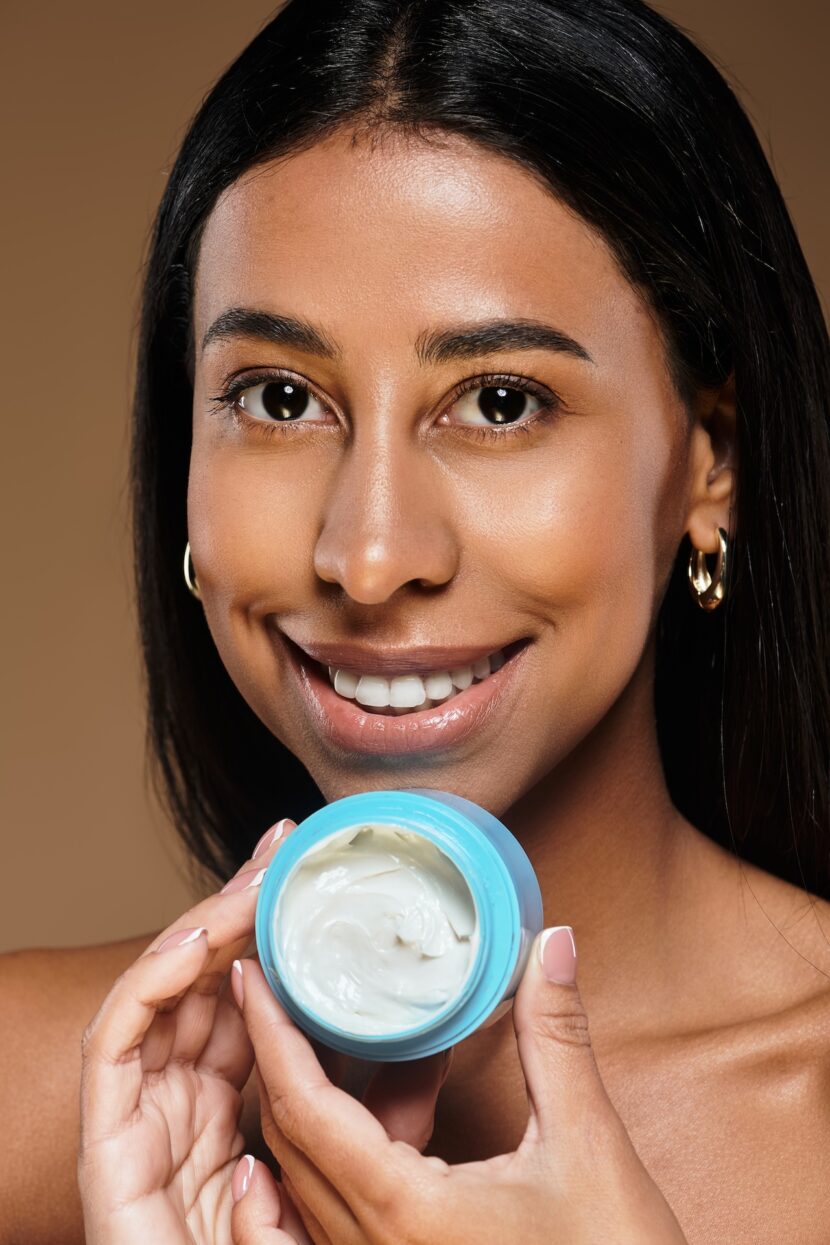
Few things are as frustrating in skincare as applying a moisturizer that leaves your face feeling heavy and greasy. What should be a soothing and hydrating step often turns into an uncomfortable experience, leaving you questioning the product and your skincare routine. If you’ve ever wondered what causes that greasy feeling and—most importantly—how to fix it, you’re not alone. In this post, we’ll break down the common reasons behind the oily aftermath and how you can choose the perfect moisturizer to suit your skin type.
Understanding Why Your Moisturizer Feels Greasy
A greasy feeling after using moisturizer is often the result of mismatched ingredients, improper application, or even skin type incompatibility. Let’s break this down further:
1. Your Skin Type and the Formula
- Oily or combination skin types often perceive moisturizers with rich, heavy textures as greasy because their skin already has a surplus of natural oil. If a moisturizer is too thick or not designed for your skin type, it can overwhelm the skin, contributing to that oily sensation.
- On the other hand, dry skin types prone to dehydration might depend on such dense products to lock in hydration. However, even with dry skin, not all heavy formulations will absorb properly, which can lead to a greasy residue.
2. Ingredients That Don’t Absorb Well
- Some moisturizers are made with occlusive ingredients like petroleum, mineral oil, or waxes that sit on top of the skin, forming a barrier to retain hydration. While these ingredients are effective in certain cases (such as for extremely dry skin), they can feel thick and greasy if over-applied or used on naturally oily skin.
- Similarly, rich oils like coconut oil—popular in natural skincare—are known for their moisturizing properties but can be too heavy for some skin types, leaving a greasy finish.
3. Applying Too Much Product
- The “more is better” mentality can work against you when it comes to skincare. Applying excessive amounts of moisturizer can leave it sitting on the surface, unable to sink into the deeper layers of your skin. This results in a heavy, sticky feeling.
4. Layering With Other Products
- If you’re layering moisturizer over products like serums or sunscreen that haven’t fully absorbed, it can lead to a greasy buildup. Proper timing and application technique are crucial to avoid this.
How to Fix a Greasy Feeling From Moisturizer
The good news? You don’t have to toss your moisturizer and start from scratch. With a few tweaks (and maybe a different product choice), you can achieve soft, hydrated skin without the slick finish.
1. Choose a Moisturizer Designed for Your Skin Type
- For oily or combination skin: Look for lightweight, water-based gel moisturizers. Ingredients like hyaluronic acid and glycerin hydrate without clogging pores or creating excess shine.
- For normal or dry skin: Creamier moisturizers with ingredients like ceramides, shea butter, or squalane are great for repairing and protecting the skin barrier.
- Sensitive skin? Avoid artificial fragrances and harsh chemical additives that might irritate or exacerbate the greasy sensation.
2. Use the Right Amount
- A pea-sized amount is often enough for the entire face. Start small and add a touch more if necessary. Distribute the product evenly across your face, focusing on drier areas while using less on naturally oily zones like the T-zone.
3. Wait Between Skincare Layers
- Give each layer of your routine (serums, treatments, etc.) at least 30-60 seconds to sink in before applying moisturizer. This helps avoid piling up layers that might sit on top of your skin.
4. Adjust Application Techniques
- Instead of slathering moisturizer on in one go, consider patting it gently into your skin. This can aid absorption and minimize oily residue on the surface.
Final Thoughts
A moisturizer that feels greasy doesn’t mean you’re doomed to deal with that shiny, uncomfortable aftermath forever. By understanding your skin’s needs and how your products interact, you can find a solution that leaves your skin soft, hydrated, and happy. Whether the key lies in switching up your moisturizer or refining your application technique, the right tweaks can make all the difference.