
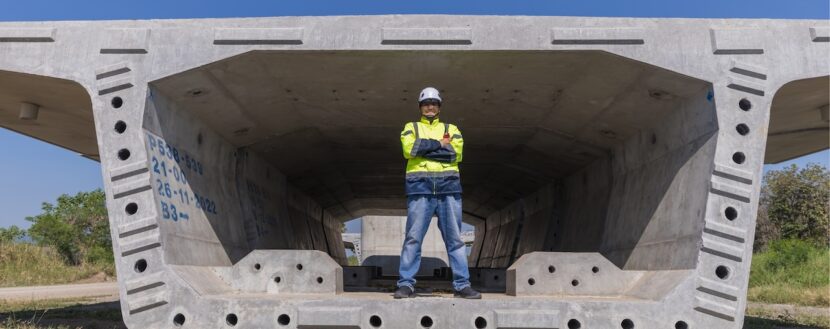
Vaulted sidewalks represent a unique feature in urban infrastructure. Their distinctive design not only adds architectural interest but also provides structural functionality by creating space beneath for utilities or storage. Installing precast concrete for vaulted sidewalks, however, demands careful planning and adherence to proven engineering principles. Here are five essentials every professional should prioritize to ensure sturdy, safe, and long-lasting installations.
1. Thorough Site Assessment and Preparation
Every successful construction project begins with a comprehensive evaluation of the site. Vaulted sidewalks often involve unique challenges since they interact with substructures like utility lines, basements, or subway tunnels.
Engineers must first conduct detailed surveys, analyzing soil composition, load-bearing capacities, and any potential environmental factors that might impact the stability of the sidewalk. Addressing these elements early can help identify potential obstacles and inform design modifications before installation begins.
Moreover, proper site preparation ensures a level and clean base, critical for the seamless placement of precast concrete components. Skipping or rushing this step can lead to alignment issues or uneven weight distribution, jeopardizing the structural integrity of the sidewalk.
2. Precision in Design and Fabrication
Vaulted sidewalks demand precision in both design and fabrication to balance aesthetics with durability. CAD (Computer-Aided Design) technology often plays a critical role in creating detailed blueprints tailored to the project’s spatial requirements. These designs take into account weight loads, expected foot traffic, and even aesthetic considerations to ensure they meet urban standards.
Once the design phase is complete, the precast concrete components are fabricated to exact specifications. This precision ensures that each piece fits seamlessly into the installation without the need for extensive on-site adjustments. Attention to detail during fabrication translates to smoother installation and significantly reduces the risk of construction delays or errors.
3. Selecting the Right Type of Precast Concrete
Not all precast concrete is created equal. For vaulted sidewalks, engineers must select materials designed to withstand not just vertical loads from pedestrian traffic but also lateral stresses. Considerations such as compressive strength, water resistance, and freeze-thaw durability are essential, especially in climates prone to extreme weather conditions.
High-quality precast concrete with strategically incorporated reinforcements—like steel mesh or rebar—can enhance tensile strength and ensure that the structure stands firm over decades. Proper material choice also reduces maintenance needs over time, making it a cost-effective option in the long run.
4. Meticulous Installation Techniques
Precise installation techniques are crucial for the structural stability of vaulted sidewalks. Precast concrete components must align perfectly to ensure seamless load transfer across the structure. Using cranes, hoists, or other heavy machinery, each section is carefully positioned according to the engineers’ design specifications.
Contractors must also ensure that joints between precast components are properly sealed to prevent water infiltration, which can weaken the concrete over time. Depending on the project’s requirements, specialized grouting materials or gasket systems may be used to enhance joint durability, offering additional layers of protection against environmental forces.
5. Ensuring Compliance with Safety and Regulatory Standards
Finally, every vaulted sidewalk installation must align with local construction codes and safety regulations. These codes are in place to ensure public safety and to account for specific geographic or urban considerations.
Engineers and contractors need to verify that the designs, materials, and installation methods meet all applicable standards. Furthermore, rigorous quality control inspections should be conducted at every stage of the project, from site preparation to the final sealing of joints. These inspections are essential for identifying and addressing potential vulnerabilities before the sidewalk becomes operational.
Conclusion
Installing precast concrete for vaulted sidewalks is no small feat. It demands meticulous planning, state-of-the-art materials, and a skilled team following proven engineering practices. By focusing on proper site evaluation, precision design, quality materials, expert installation, and compliance with safety standards, professionals can ensure these installations are both functional and enduring.
Understanding and implementing these five engineering essentials will not only streamline project execution but will also contribute to creating infrastructure that stands the test of time.