
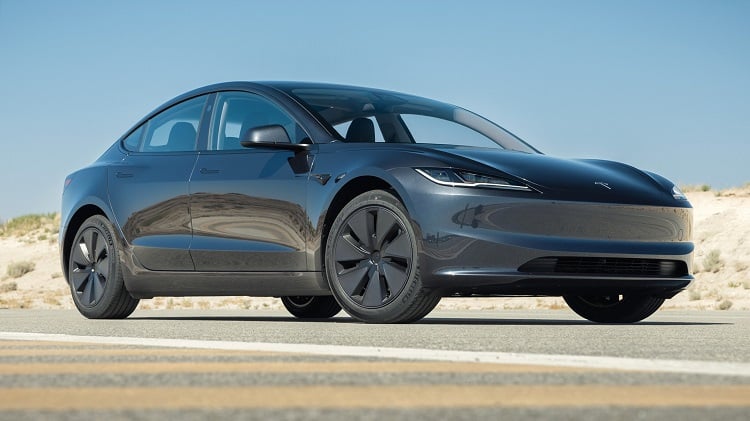
Electric Vehicles (EVs) have moved from a niche market to mainstream adoption in less than two decades. However, the success of EVs depends heavily on one critical component: the battery. From powering the vehicle to influencing cost, range, and sustainability, battery technology lies at the heart of the EV revolution.
As demand for EVs skyrockets, scientists, automakers, and tech companies are investing billions into creating next-generation batteries that are safer, faster to charge, longer-lasting, and more environmentally friendly. This article explores the current state of EV batteries, the breakthroughs on the horizon, and what the future holds for drivers and the auto industry.
The Current Landscape of EV Batteries
Most EVs today use lithium-ion batteries, the same technology that powers smartphones and laptops. These batteries are popular because they are lightweight, have high energy density, and are rechargeable.
However, they also face challenges:
- High costs – Batteries account for up to 40% of an EV’s total price.
- Limited range – Many EVs still struggle to match the mileage of traditional gasoline vehicles.
- Charging time – Fast charging is improving but remains slower than refueling with gasoline.
- Environmental concerns – Mining lithium, cobalt, and nickel has environmental and ethical implications.
Despite these limitations, battery prices have dropped significantly in the last decade, making EVs more accessible to consumers.
Breakthroughs in Battery Technology
1. Solid-State Batteries
Solid-state batteries are considered the “holy grail” of EV technology. Unlike conventional lithium-ion batteries that use liquid electrolytes, solid-state batteries use solid electrolytes, offering several advantages:
- Higher energy density (meaning longer driving range).
- Faster charging capabilities.
- Reduced risk of overheating and fires.
- Longer lifespan.
Companies like Toyota, Samsung, and QuantumScape are investing heavily in developing commercial solid-state batteries, with the first models expected to enter the market by the late 2020s.
2. Lithium-Sulfur Batteries
Lithium-sulfur (Li-S) batteries promise greater energy density at a lower cost compared to lithium-ion. They use sulfur, which is abundant and environmentally friendly, instead of expensive metals like cobalt.
Challenges remain in improving cycle life (number of charges before degradation), but research is advancing quickly. Li-S batteries could double the range of EVs while reducing costs.
3. Cobalt-Free and Nickel-Free Batteries
Cobalt mining raises ethical concerns due to labor issues and environmental damage. Automakers are working on cobalt-free and nickel-free alternatives, such as lithium iron phosphate (LFP) batteries.
- Tesla already uses LFP batteries in some of its models sold in China.
- These batteries are cheaper, safer, and longer-lasting, though they have slightly lower energy density.
4. Fast-Charging Innovations
One of the biggest consumer concerns is charging time. Researchers are developing technologies that could charge EVs in minutes rather than hours.
- Silicon anode batteries can store more lithium and charge faster than traditional graphite anodes.
- Ultra-fast charging networks are expanding globally, reducing “range anxiety” for drivers.
5. Recycling and Second-Life Batteries
As millions of EVs hit the roads, recycling old batteries becomes critical. Recycling programs aim to recover valuable materials like lithium, cobalt, and nickel for reuse.
In addition, used EV batteries can be repurposed for energy storage systems, powering homes and businesses long after they are no longer suitable for vehicles.
The Role of Automakers and Tech Giants
Automakers and technology companies are racing to secure leadership in battery innovation:
- Tesla invests heavily in battery research through its Gigafactories and partnerships with Panasonic.
- Toyota leads in solid-state battery development.
- Volkswagen has pledged billions into next-gen battery plants across Europe.
- CATL (China’s leading battery manufacturer) continues to dominate the global EV battery supply chain.
Meanwhile, startups like QuantumScape and Solid Power are pushing boundaries with experimental technologies.
Impact of Battery Technology on Consumers
Battery advancements will dramatically influence the EV experience for drivers:
- Longer Range – Future EVs could travel 600–1,000 miles on a single charge.
- Faster Charging – Refueling times could rival or even surpass gasoline cars.
- Lower Costs – Cheaper batteries will make EVs more affordable, accelerating global adoption.
- Improved Safety – Safer materials and designs will reduce the risk of thermal runaway and fires.
- Eco-Friendly Choices – Consumers will have access to greener options with reduced environmental impact.
Challenges Ahead
Despite progress, several hurdles must be addressed:
- Supply Chain Issues – Demand for lithium and other minerals may outpace supply.
- Recycling Infrastructure – More efficient recycling methods must be developed.
- Scalability – Many new battery technologies work in labs but are difficult to scale for mass production.
- Affordability – Achieving cost parity with gasoline cars remains the ultimate challenge.
Global Policies Supporting Battery Innovation
Governments around the world recognize the importance of battery technology in the EV transition.
- European Union is funding “Battery 2030+” projects to develop safer and more sustainable technologies.
- China offers strong incentives for EV adoption and battery manufacturing dominance.
- United States has launched initiatives under the Inflation Reduction Act to support domestic battery production.
Such policies aim to reduce reliance on fossil fuels and strengthen energy security.
The Future Outlook
Battery technology is advancing at an unprecedented pace. Experts predict several milestones in the coming decades:
- By 2030 – Solid-state batteries may enter mass production, with EVs achieving ranges of 500–700 miles.
- By 2040 – Recycling and second-life applications will become standard, creating a circular economy for EV batteries.
- By 2050 – Fossil-fuel-powered cars could be nearly obsolete, replaced by affordable, high-performing, and sustainable EVs.
Resources like EVBlogs, provide valuable updates on these developments, keeping consumers and businesses informed about the latest innovations in the EV sector.
Conclusion
The future of mobility depends on the future of battery technology. As researchers and automakers push the boundaries of energy density, charging speed, safety, and sustainability, EVs are becoming more practical, affordable, and appealing.
While challenges remain—such as supply chain bottlenecks and recycling—the progress being made is remarkable. Next-generation batteries will not only transform how people drive but also reshape global energy systems and environmental strategies.
The road ahead is clear: batteries are powering not just EVs but the entire future of transportation.