While it’s common to associate cyberattacks with large corporations or government institutions, dental practices are increasingly finding themselves in the crosshairs of cybercriminals. Despite their smaller size, these healthcare offices handle extensive troves of valuable data, but often lack the comprehensive security systems that larger organizations employ. This combination makes dental practices prime targets.
Understanding these risks is crucial. Recognizing your vulnerabilities is the first step toward defending sensitive patient information and safeguarding your reputation.
The Value of Patient Information
Dental practices are responsible for storing highly sensitive data, such as health records, insurance information, social security numbers, and payment details. This protected health information (PHI) is especially attractive to cybercriminals because it can be used for identity theft, false insurance claims, and other illicit activities. On the dark web, this data tends to be far more valuable than basic financial information.
Digital Dependence and Increased Threat Surface
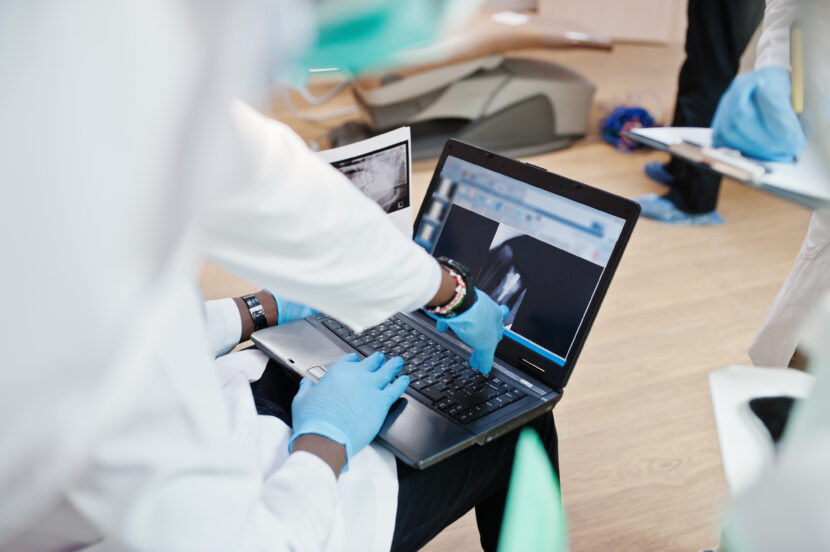
Modern dentistry operates with a significant reliance on digital technology. From digital patient records and insurance billing to imaging software and online scheduling, many facets of a practice’s daily operations are tied to the internet. This reliance creates more potential entry points for cybercriminals. Any device—whether it’s a front desk computer or a digital X-ray machine—may be susceptible if not properly secured.
Key Threats Facing Dental Practices
Ransomware and phishing are two of the most common and damaging threats targeting dental offices. In a ransomware attack, all of a practice’s data may be locked and held for ransom, effectively shutting down operations until payment is made or backups are restored. Phishing attacks, meanwhile, use deceptive emails or websites to trick staff into revealing credentials or downloading malicious files—putting an entire network at risk with just one wrong click.
How an MSP Can Strengthen Your Cybersecurity
Addressing these risks requires vigilance and a proactive stance. Dental practices should start with a thorough risk assessment to pinpoint areas of vulnerability. At this stage, a Managed Service Provider (MSP) can provide invaluable expertise, helping evaluate security posture, implement strong safeguards, and monitor systems for potential threats.
Basic protection measures remain essential: using strong, unique passwords; enabling multi-factor authentication; and ensuring continuous staff training. An MSP can support ongoing staff education, helping employees recognize phishing attempts and apply cybersecurity best practices. Additionally, having secure offline data backups—and a reliable recovery plan—is vital. An MSP can assist with designing robust backup solutions, so your practice is prepared to restore systems quickly if an incident occurs.
Conclusion
In the digital age, dental practices must take the threat of cybercrime seriously. Handling sensitive patient data makes them attractive targets, and a single breach can cause significant financial and reputational damage. By proactively improving security and collaborating with an experienced MSP, dental practices can protect themselves against evolving cyber threats, safeguard critical information, and preserve the trust of their patients. Effective cybersecurity is no longer optional—it is a fundamental pillar for the ongoing success and safety of any dental practice.