
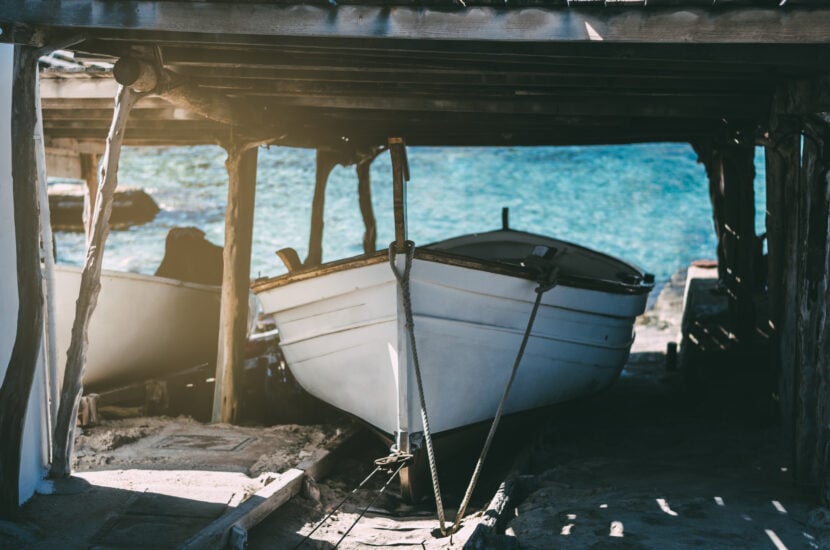
Knowing when to pull your boat out of the water and put it into storage isn’t always straightforward. Wait too long, and you risk damage from freezing temperatures, storms, or algae buildup. Act too early, and you might cut your season short unnecessarily. Getting the timing right protects your investment and sets you up for a smooth launch next spring.
Here’s what to consider when deciding it’s time to store your boat for the season.
Watch the Weather, Not Just the Calendar
Many boat owners assume a specific date on the calendar signals the end of the season. In reality, your local climate should guide that decision far more than tradition. Once overnight temperatures consistently drop below freezing, any water sitting in your engine, bilge, or plumbing lines becomes a serious threat. Ice expansion can crack engine blocks, split hoses, and cause costly damage that’s entirely preventable.
Even if you’re in a milder region, extended periods of rain, wind, and rough water can make late-season boating more trouble than it’s worth. Pay attention to extended weather forecasts and act before conditions deteriorate.
Use It or Lose It — But Know When to Stop
One common mistake is holding out for “just one more weekend” on the water. While squeezing in those final trips is understandable, procrastinating on storage can leave you scrambling. Marina and rented boat storage facilities fill up quickly as the season winds down. If you wait until the last minute, you may find limited availability or higher prices — or worse, no space at all.
Booking your rented boat storage spot early, even before you’re done boating for the year, ensures you have a secure, reserved space ready when the time comes.
Signs It’s Time to Store Your Boat
Beyond the weather, a few practical signals suggest your boat is ready to be put away:
- You’re using it less frequently. When trips become sporadic and weeks pass between outings, it’s a good indicator the active season is winding down.
- Maintenance needs are piling up. End-of-season is the right time for engine checks, hull cleaning, and winterization — not mid-season.
- Water temperatures have dropped significantly. Cold water changes the entire boating experience and increases risk.
- Local marinas are starting to close or reduce services. This is a practical cue that the community is wrapping up the season.
Proper Preparation Before Storage
Timing isn’t everything — how you prepare your boat matters just as much. Before you store it, make sure to:
- Flush the engine with fresh water and apply fogging oil
- Drain all water from the bilge, live wells, and plumbing
- Clean and dry the interior thoroughly to prevent mold and mildew
- Disconnect the battery or use a trickle charger to maintain charge
- Cover the boat securely to protect it from dust, debris, and UV exposure
Skipping these steps — even with perfect timing — can lead to unpleasant surprises come spring.
Choosing the Right Storage Solution
Once you’ve decided it’s time, choosing the right storage setup is your next priority. Indoor rented boat storage offers the strongest protection from the elements, especially in regions with harsh winters. Outdoor covered options are a middle ground, while open-lot storage works best in mild climates.
Think about accessibility, too. If you want the option to get your boat out for an unexpected warm spell, choose a facility that allows flexible access.
Storing your boat at the right time keeps it protected, preserves its value, and makes the next season far more enjoyable. Don’t wait until the last wave of the season catches you off guard — plan ahead and store smart.