
Water is essential for daily life, but not all water is created equal. Whether your home uses hard water or soft water can significantly influence your plumbing system, household maintenance, and even your monthly utility bills. Understanding the differences between hard and soft water—and their effects—can help you make informed decisions about maintaining your home and potentially save you money down the road.
What is Hard Water?
Hard water contains higher levels of dissolved minerals, primarily calcium and magnesium. These minerals are absorbed as water flows through soil and rock formations. While hard water is safe to drink and use, the dissolved minerals can cause problems over time.
Common Problems Associated with Hard Water:
- Pipe Clogging: The minerals in hard water can build up inside your pipes, reducing water flow and causing blockages over time.
- Appliance Inefficiency: Scale deposits can form on heating elements in appliances like water heaters, reducing their efficiency and increasing energy consumption.
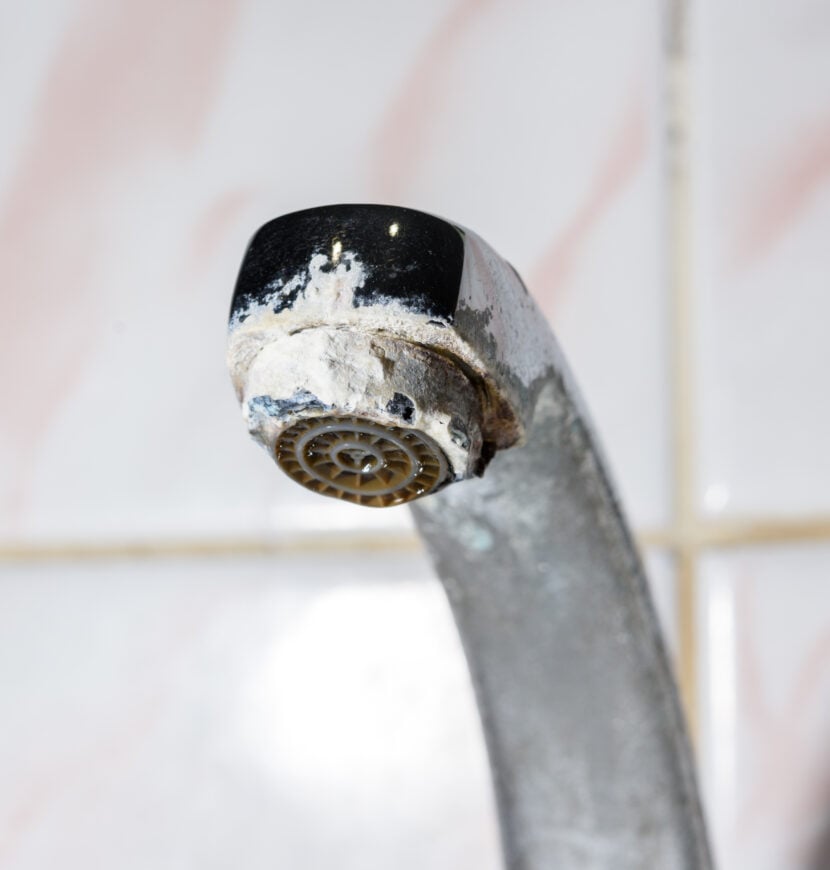
- Fixture Damage: Hard water leaves behind residue, known as limescale, that can tarnish faucets, showerheads, and other fixtures.
- Soap Scum: It reacts with soap, leaving a sticky residue on surfaces like bathtubs and sinks, which can be time-consuming to clean.
What is Soft Water?
Soft water, on the other hand, is largely free from these minerals. It occurs naturally in some regions but can also be achieved through water softening systems. By replacing calcium and magnesium with sodium or potassium ions, softened water eliminates many of the issues associated with hard water.
Benefits of Soft Water:
- Prolonged Plumbing Lifespan: Without mineral buildup, your pipes remain clear, reducing the risk of clogs or corrosion.
- Energy Savings: Softened water prevents scale deposits in water heaters, helping them operate more efficiently and consume less energy.
- Easier Cleaning: Soft water doesn’t react with soap, making it easier to clean surfaces and achieve sudsy, luxurious lathers.
- Stain-Free Fixtures: Soft water eliminates limescale stains on faucets, showerheads, and tiles, preserving their appearance.
How Hard and Soft Water Affect Plumbing Systems
One of the most significant consequences of using hard water is its impact on your plumbing system. Over time, the minerals in hard water deposit along the inside of your pipes, leading to reduced water pressure. These deposits can also corrode piping materials, leading to leaks or ruptures that require costly repairs.
Soft water, by contrast, minimizes these risks. The lack of abrasive minerals ensures your plumbing stays in better condition, potentially extending its lifespan and saving you from expensive replacements.
If you’re experiencing issues like slow water flow, frequent clogs, or strange sounds from your pipes, hard water could be a contributing factor. Consulting a professional plumbing service to assess and address these issues is highly recommended.
Utility Bills and Water Efficiency
The type of water flowing through your home also has financial implications. Hard water, with its tendency to create scale buildup, forces your water heater and other appliances to work harder. This increased workload translates into higher energy usage and elevated utility bills. Appliances like washing machines and dishwashers may also experience reduced lifespans, necessitating more frequent replacements.
Soft water ensures your appliances operate more effectively and efficiently, reducing wear and tear and helping you save on both short-term utility costs and long-term appliance replacements.
Which Type is Better for Your Home?
The choice between hard water and soft water often comes down to your home’s plumbing setup and maintenance priorities. Here’s how to determine what’s best for your household:
- Assess Your Current Water Quality: If you notice chalky buildup on your fixtures, poor soap lather, or slow water flow, chances are your home has hard water.
- Consider a Water Softening System: If hard water is causing issues, a water softener can be a worthwhile investment. The upfront cost often pays off by reducing plumbing repairs and energy bills over time.
- Consult Plumbing Experts: Professionals offering plumbing services can provide a detailed analysis of how your water type affects your home and suggest tailored solutions.
Final Thoughts
Hard water and soft water might look identical, but their effects on your pipes, fixtures, and utility bills are anything but the same. Understanding the differences empowers you to prevent costly damages to your plumbing and appliances while optimizing your home’s energy efficiency.
Investing in regular maintenance and considering a water softening system could save you money and effort in the long run. Start by reaching out to trusted plumbing services for a water quality assessment and expert guidance on the best solutions for your home.