
When deciding where to store your belongings, the allure of “free” storage solutions—like a damp basement—might seem like an unbeatable deal. But is it truly free? Upon closer examination, the hidden costs could outweigh the convenience, making a rented storage unit the more practical, secure, and economic option.
The Hidden Risks of Damp Basement Storage
Using a damp basement to store your possessions might appear cost-effective, but there are significant risks that could prove costly in the long run:
- Moisture Damage: Basements are prone to high levels of humidity, which can lead to water damage, mold growth, and mildew. Clothing, books, electronics, and furniture can all suffer irreversible harm.
- Pest Infestations: Many basements are havens for pests like mice, spiders, and cockroaches. Infestations can lead to contamination or destruction of stored items, adding an additional layer of expense and frustration.
- Temperature Fluctuations: Unlike climate-controlled environments, basements are subject to extreme weather conditions. Seasonal changes can cause warping, cracking, or other damage, particularly for items like wooden furniture or valuable collectibles.
- Limited Security: Most residential basements lack sophisticated security features. This leaves your assets vulnerable to theft or damage from other individuals who might have access to the space.
The True Cost of “Free” Storage
While no monthly rental fee is required for your basement, ancillary costs quickly accumulate:
- Repair and Replacement Costs: Degraded items must often be repaired or replaced, which can quickly become expensive. A destroyed couch, water-damaged photographs, or ruined electronics can leave you financially strained.
- Remediation Expenses: Addressing mold or water damage within a basement could cost hundreds to thousands of dollars—not to mention the health risks associated with prolonged exposure to mold.
- Insurance Challenges: Most renters’ or homeowners’ insurance policies provide limited or no coverage for items stored in unsafe spaces like damp basements. If a disaster occurs, you might have to bear the financial burden completely.
- Emotional Loss: Some items, like family heirlooms or personal mementos, hold sentimental value that money can’t replace. Storing them in precarious environments risks their loss forever.
Why Rent a Storage Unit?
Investing in a rented storage unit provides peace of mind, superior protection, and significantly reduced risk compared to your basement.
1. Security Features to Protect Your Assets
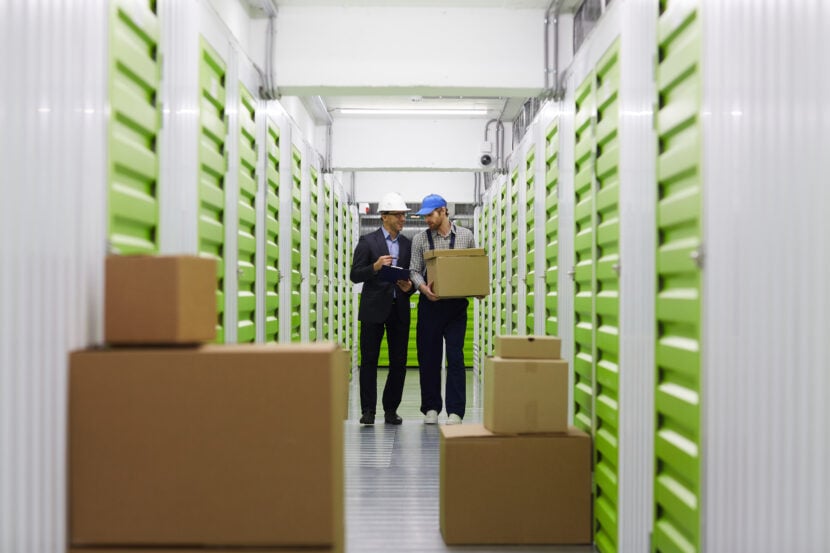
Most storage units come equipped with advanced security features, like surveillance cameras, gated access, and individual locks. The assurance that your items are safe from theft or damage is invaluable.
2. Climate-Controlled Environments
Whether you’re storing furniture, electronics, or documents, modern storage units provide climate-controlled settings to prevent damage from moisture, temperature changes, and pests.
3. Accessibility and Organization
Storage units are designed for ease of access and organization, allowing you to retrieve items whenever needed without rummaging through a cluttered basement.
4. Flexibility for Changing Needs
Storage units come in various sizes, offering the flexibility to scale up or down as your storage needs evolve—something that a confined basement space cannot provide.
5. Long-Term Savings
Though monthly fees are associated with storage unit rentals, the long-term savings in repair, replacement, and emotional value make it a worthwhile investment. You’re not just paying for space; you’re paying for preservation and security.
Making the Smart Choice
While the upfront cost of a rented storage unit might seem like an unnecessary expense, the alternative—storing your belongings in a damp basement—can be far more costly over time. From replacing ruined possessions to addressing pest infestations and water damage, the hidden expenses add up quickly.
Invest in a secure, climate-controlled rented storage unit. It’s a small price to pay for the confidence in knowing your valuables are protected, accessible, and preserved for years to come.