
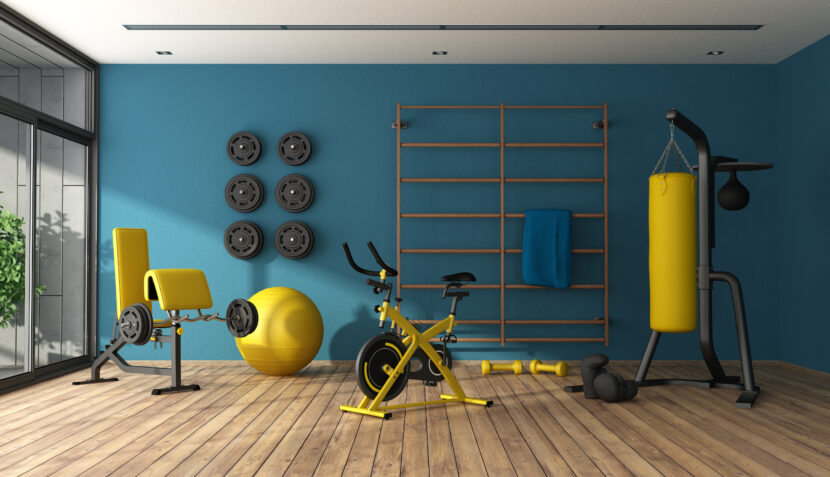
Creating a home gym can be a game changer. It saves you time commuting back and forth to a fitness center, offers unparalleled convenience, and can be tailored to your fitness goals. However, not everyone has a spare room or the luxury of adding an extension to their home. The good news? You don’t need to break down walls—or your budget—to make space for a personal fitness area.
This guide will help you transform underutilized areas in your home into a functional gym. Plus, we’ll discuss how storage solutions, like renting a storage unit, can help optimize your available space.
1. Rethink and Reclaim Unused Spaces
When envisioning a home gym, many people feel limited by their existing square footage. Yet, you likely have underused nooks and corners that can be repurposed. Here are some possible areas to consider:
- The Corner of a Living Room or Bedroom: A small set of weights, yoga mat, and a few accessories can easily fit into a corner.
- Basements or Attics: These often overlooked areas are great for housing workout equipment. Even if they’re not fully finished, simple mats and portable equipment can make these spots more gym-friendly.
- Garages: A common go-to, garages already have ample space. Adding flooring, like rubber mats, can turn it into a durable exercise zone.
- Closets or Storage Rooms: Removing clutter or rearranging items can open up a holistic workout nook.
2. Minimize Clutter with Smart Storage Solutions
Space limitations in your home can often result from surplus belongings competing for attention. A key to making room for your home gym is decluttering and optimizing vertical and hidden storage.
- Renting a Storage Unit: If you’re struggling to clear out bulky furniture, seasonal items, or less-used belongings, consider a rented storage unit. This will free up space while safeguarding items you don’t need in your daily life.
- Floating Shelves and Wall Storage: Mount lighter gym gear, like resistance bands or yoga mats, on walls to save floor space and keep things accessible.
- Multipurpose Furniture: Look for furniture with hidden compartments or dual-use features that help maintain a clean and organized gym setup.
By being strategic with storage, you’ll not only create a more functional space but also ensure a calmer, less cluttered environment for your workouts.
3. Choose the Right Equipment for Small Spaces
One of the most common pitfalls in setting up a home gym is overloading it with equipment. Instead, focus on space-efficient, multipurpose tools.
- Foldable Treadmills or Bikes: Today’s market offers compact cardio equipment that’s easy to fold and store after use.
- Adjustable Dumbbells or Kettlebells: These allow you to replace dozens of weights with a single, scalable solution.
- Resistance Bands: Lightweight, portable, and highly versatile, resistance bands are perfect for strength training or mobility exercises.
- Wall-Mounted or Doorway Pull-up Bars: A low-cost way to add variety to your routine without taking up valuable space.
- Yoga or Exercise Mats: For floor workouts, mats can be rolled and tucked away when not in use.
4. Maximize Your Workout Zone with Customization
To make your home gym as functional and appealing as possible, tailor it to your preferences. A little personalization can go a long way in keeping you motivated.
- Mirrors: Adding a mirror or two can not only make the area feel larger but also help you monitor your form during exercises.
- Lighting: Use bright and energizing lighting to keep the space appealing, especially if you’re working in basements or garages. Adjustable LED lights can help you set different fitness moods.
- Decor and Motivation: Posters, affirmations, or even a small indoor plant can give your workout area a personal touch.
Having a space you love might even encourage you to work out more frequently.
5. Keep It Flexible for Future Changes
Your fitness goals and routines might evolve over time, so keep your setup flexible. Space-saving equipment or a modular gym layout will allow you to make adjustments as needed. For example, you might move from strength training to yoga or pilates, requiring changes in equipment storage.
In Conclusion: Building a Home Gym Without Expanding Your Home
Creating a home gym doesn’t require extra square footage or costly renovations. All it takes is creativity, resourcefulness, and a bit of motivation. By evaluating your home’s unused spaces, decluttering, and using tools like rented storage units, you can carve out a functional area for fitness. Choose multipurpose equipment, personalize the space, and stay flexible as your fitness journey evolves.
So, go ahead—start setting up your bespoke workout zone today. Empower yourself with the health benefits of personal fitness, all without leaving the comfort of home.