
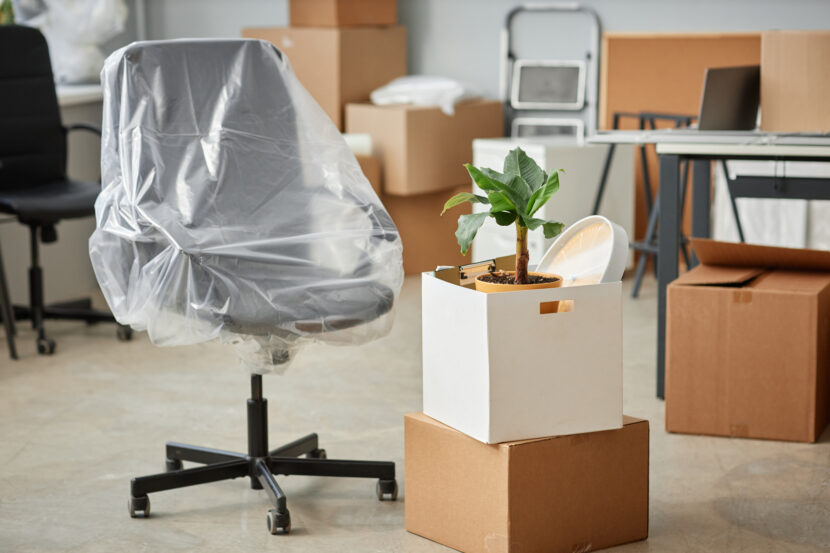
Moving to a new home is an exciting chapter, but the process of getting there can sometimes present logistical challenges. One of the most common hurdles arises when there’s a gap between moving out of your current residence and into your new one. Whether it’s a delay in availability or the need for temporary housing, safely storing your furniture during this interim period is key to keeping it in top condition.
This brings us to the importance of choosing the right method to store your furniture when you’re caught between moves. A rented storage unit can often be the perfect solution, allowing you to safeguard your belongings with ease. In this blog, we’ll walk you through how to effectively prepare, store, and protect your furniture to make your transition as smooth as possible.
Step 1: Preparing Your Furniture for Storage
Preparation is essential when placing furniture in a rented storage unit. Taking the right steps before storage can prevent damage and keep your pieces in pristine shape. Follow these tips to prep like a pro:
Clean Everything Thoroughly
Dust, dirt, and grime can accumulate over time and potentially deteriorate materials. Before you store anything, clean your furniture carefully:
- Wood: Use a gentle cleaner and a soft cloth. Adding a quality furniture polish can also help protect the surface.
- Upholstery: Vacuum fabric to remove dust and dirt. For a deeper clean, consider using upholstery shampoo.
- Metal: Wipe down with a microfiber cloth and apply a rust-prevention spray if necessary.
Cleaning ensures your items are stored in their best condition, with no lingering residues that could cause stains or odors.
Step 2: Choosing the Right Storage Unit
When selecting a rented storage unit for your furniture, consider these factors:
Climate-Controlled Units
Temperature and humidity fluctuations can wreak havoc on certain materials. Wood can crack, leather can warp, and fabrics might develop mold or mildew. A climate-controlled unit maintains a stable environment, offering superior protection for delicate or high-value items.
Size Matters
Choose a unit that offers enough space to store your furniture without cramming everything together. Overcrowding can lead to scratches or damage. Take measurements of your largest pieces to ensure the unit will accommodate them comfortably.
Security Features
Look for storage facilities with robust security measures, such as video surveillance, gated access, and individual locks. Knowing that your belongings are safe can bring significant peace of mind during a potentially stressful move.
Step 3: Packing and Organizing Your Storage Unit
How you pack the storage unit will directly impact the condition of your furniture when it’s time to retrieve it. Here’s how to ensure you’re organized and protected:
Use Quality Packing Materials
Consider investing in durable packing materials to shield your furniture from dust, scratches, and potential moisture:
- Plastic wrap and blankets to wrap upholstered pieces.
- Bubble wrap or furniture pads for wood and fragile surfaces.
- Moving boxes for smaller items and accessories.
Avoid Direct Floor Contact
Placing furniture directly on the floor can expose it to dust or possible moisture buildup. Instead:
- Use pallets or a plastic barrier to elevate items off the ground.
- This simple step can prevent mold growth and protect furniture from potential leaks.
Step 4: Special Care for Specific Materials
Different materials require different storage approaches. Here are some extra considerations for the most common furniture types:
Wood Furniture
Wood is susceptible to warping and cracking, especially in fluctuating climates. A climate-controlled unit is non-negotiable for wooden pieces. Wrap them in blankets rather than plastic to promote air circulation while preventing scratches.
Leather Upholstery
Leather pieces should be cleaned and conditioned before storage. Avoid placing anything heavy on top to prevent permanent indentations.
Fabric Upholstery
Ensure fabric is dry and vacuumed before storage. Use mattress covers or plastic wrap designed specifically for furniture to shield against dust and grime.
Step 5: Planning Your Retrieval
While it may seem far off, planning for how you’ll retrieve your furniture is just as important as storing it. Label wrapped items for easy identification and keep an inventory list of what’s in the storage unit. When it’s time to move everything into your new home, this preparation will speed up the process and reduce unnecessary hassle.
Conclusion
Storing furniture between moves doesn’t need to feel overwhelming. By taking proactive steps—cleaning, disassembling, selecting the right rented storage unit, and organizing effectively—you’ll ensure your belongings remain in excellent condition throughout the transition. Whether you’re tackling a cross-country relocation or simply navigating a short-term housing gap, these tips will help you store your furniture safely and with confidence.