
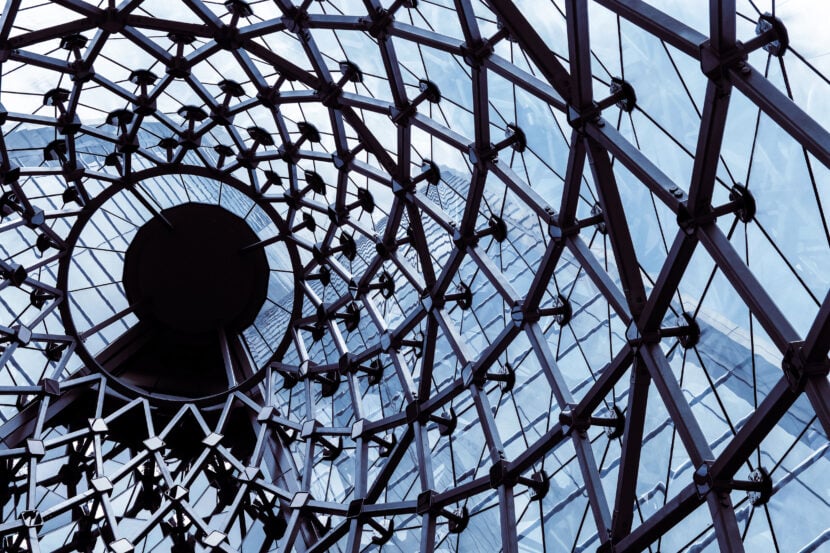
Structural glass has swiftly emerged as a defining element in modern architecture, transforming city skylines, redefining interiors, and influencing building functionality. Its seamless blend of aesthetics and engineering has captured the imagination of architects and designers worldwide. Let’s delve into why structural glass is at the forefront of contemporary building design.
The Appeal of Structural Glass
Structural glass beckons with its ability to merge transparency and strength. It’s no longer confined to windows or doors—today, entire façades, staircases, and even load-bearing walls are constructed from this innovative material. The aesthetic appeal of glass lies in its ability to invite natural light, create an illusion of space, and foster a connection between indoor and outdoor environments.
Beyond beauty, structural glass offers unparalleled versatility. Whether curved, frosted, or printed, its adaptability makes it the perfect medium for custom designs. From sprawling skyscrapers to minimalist houses, glass has become a universal architectural language.
Engineering Meets Elegance: Advancements in Glass Technology
One of the significant reasons behind the rise of structural glass is technological innovation. Modern glass products are a far cry from traditional panes—lamination, tempering, and advanced coatings have multiplied their strength and functionality.
Laminated glass, for instance, offers enhanced safety. Layers of interlayer materials hold the glass shards together upon impact, ensuring minimal risk of injury. Similarly, tempered glass undergoes a heat-treating process, giving it superior durability and resistance against temperature changes. Furthermore, insulating glass units (IGUs) enhance energy performance, making them ideal for sustainable designs.
These advances mean architects now design glass structures that not only look stunning but also meet stringent safety, thermal, and acoustic performance standards.
Benefits of Glass Structures in Modern Designs
The adoption of glass structures in architecture offers myriad benefits, ranging from practical to emotional. Below are some of the most notable advantages:
- Natural Light and Energy Efficiency: Glass facilitates daylight penetration, reducing reliance on artificial lighting during the day. Paired with energy-efficient coatings, it reduces heat gain, promoting a more sustainable way of living and working.
- Transparency and Connection: Glass blurs the lines between indoor and outdoor spaces, fostering a harmonious connection between urban environments and natural landscapes. This transparency also nurtures open communication within workspaces, aiding in productivity and creativity.
- Timeless Aesthetic: Glass exudes a modern yet timeless allure, blending effortlessly with materials such as steel, concrete, and wood. Its ability to harmonize with different design elements makes it a favorite for architects aiming to achieve elegance.
- Space Maximization: Structural glass creates an illusion of expanded space. It can make compact interiors feel more open, perfect for urban environments where real estate often comes at a premium.
Iconic Examples of Glass Structures
The significance of structural glass isn’t confined to the theoretical realm—it’s a prominent feature in some of the most iconic buildings worldwide.
- The Apple Store Cube in New York presents an unforgettable design, a 32-foot glass cube standing tall amidst the bustling cityscape.
- The Crystal Palace in London, constructed in the mid-19th century, was ahead of its time and a precursor to today’s glass architecture.
These structures are celebrated not only for their visual grandeur but also for the ingenuity and engineering that made them possible.
Challenges and the Future of Glass Structures
Despite its advantages, structural glass isn’t without challenges. It can be costly to fabricate, transport, and install. Additionally, its perceived fragility provokes skepticism among some property developers, even as advancements prove otherwise.
Looking ahead, the future of glass in architecture lies in addressing these concerns. New innovations—self-cleaning glass, dynamic smart windows, and improved solar control coatings—are inching structural glass closer toward perfection. It will continue to dominate modern architecture, responding to demands for both cutting-edge designs and eco-conscious solutions.
Final Reflections
Structural glass has redefined architectural boundaries, offering a combination of robustness, sophistication, and eco-friendliness that appeals to modern sensibilities. As design trends lean toward open, light-filled environments, glass structures will only grow in prominence.
One thing is clear: the allure of structural glass isn’t a fleeting trend—it is the foundation of future architecture. It embodies the perfect synergy of form and function, making it the material of choice for visionaries building tomorrow’s architectural marvels.