
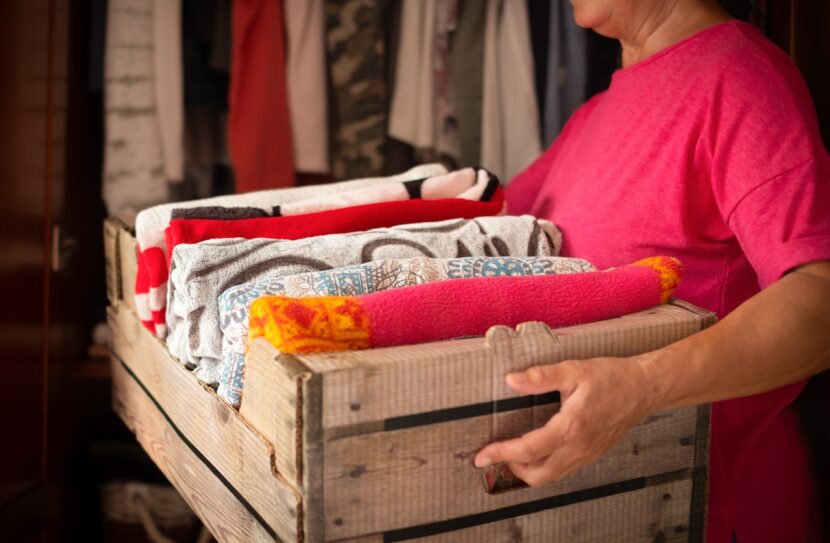
When it comes to preserving your wardrobe for the long haul, simply tossing clothes into a box and tucking them away in a rented storage unit isn’t enough. Without the proper care, fabric can degrade, colors can fade, and even small pests can wreak havoc on your cherished items. Whether you’re storing seasonal wardrobes, sentimental keepsakes, or clothing you want to pass on later, this guide will walk you through seven expert-approved methods to store clothing long-term without causing damage.
1. Wash and Dry Everything First
Before even considering long-term storage, your clothing needs to be thoroughly cleaned. Dirt, sweat, and body oils can attract pests or cause fabric discoloration over time. Opt for eco-friendly detergents free from harsh chemicals to preserve fabric quality. Make sure everything is completely dry before packing to prevent mold or mildew from forming.
2. Choose the Right Containers
Not all containers are created equal when it comes to clothing storage. While cardboard boxes may seem like a straightforward option, they don’t offer protection against moisture or pests. Opt for airtight plastic bins with secure lids for most items, especially delicate fabrics like silk or wool. For vintage or highly sensitive pieces, acid-free storage boxes are a better choice to prevent any contact with harmful chemicals.
3. Use Garment Bags for Delicates
When it comes to items like formal wear, wedding dresses, or suits, breathable garment bags are a lifesaver. Avoid plastic garment bags as they can trap moisture, leading to mildew. Instead, use cotton or muslin garment bags to protect against dust while allowing airflow.
4. Mind the Storage Environment
The climate where you store your clothing matters. Humidity and temperature fluctuations can degrade fabric quality over time. If you’re using rented storage, select a climate-controlled space to regulate humidity and keep the temperature consistent. Avoid basements and attics at home, where dampness or extreme temperatures can cause damage.
5. Add Protective Layers
To add an extra layer of protection, consider using archival-quality tissue paper when packing your clothing. Wrap delicate pieces individually to prevent snags, creasing, or color transfer. For shoes or structured items, stuff them with tissue paper to help retain their shape during storage.
6. Protect Against Pests
Clothing stored over long periods can attract moths and other pests, especially natural fibers like wool or cashmere. Use cedar blocks or lavender sachets as a natural deterrent. These not only protect against pests but also leave your garments smelling fresh. Avoid mothballs, as their chemical smell can be difficult to remove.
7. Inspect Periodically
Long-term doesn’t mean forgotten. Make it a habit to check on your stored clothing every 6-12 months. This will help you catch any early signs of damage, such as discoloration or pest infestations, and make adjustments as necessary. Small upkeep measures can save you from bigger troubles down the line.
Proper storage ensures that your clothing stays in its best condition, no matter how long you keep it tucked away. By following these simple yet crucial steps, you can rest assured your favorite garments will be ready for their next wear or continue to serve as meaningful keepsakes. Always consider renting climate-controlled storage if home spaces fall short.