
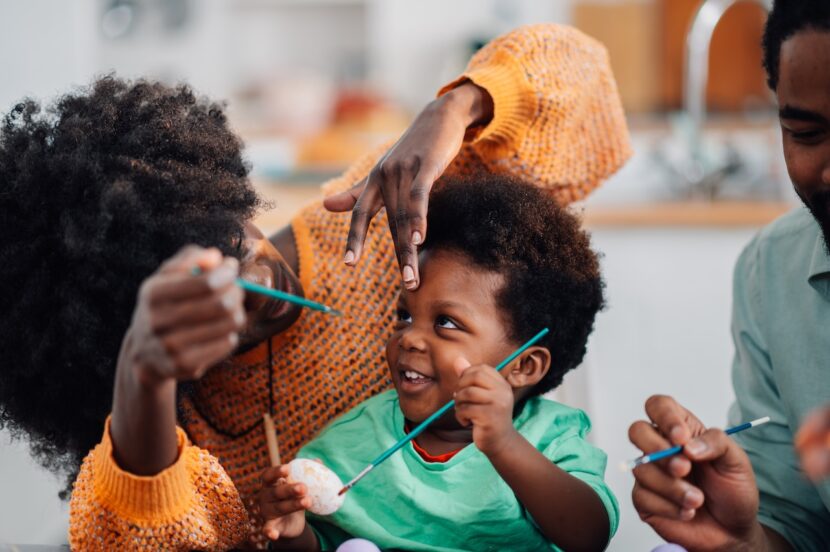
As children grow, their early experiences play a pivotal role in shaping their development. Parents often wonder how to best support their toddler’s growth, especially when it comes to fostering social skills. Structured toddler classes are more than a mere activity to fill the day—they lay the groundwork for essential developmental milestones, particularly in the realm of social progression.
This article delves into the reasons why these classes matter so much for children’s social development, explaining their benefits and the long-term growth they inspire.
The Importance of Early Social Development
Social skills form the foundation for interpersonal relationships, effective communication, and emotional wellness throughout life. But did you know these skills begin forming long before children enter grade school? The toddler years—roughly between ages one and three—are a critical time for this development.
During these formative years, toddlers learn to navigate the complexities of human interaction, like making friends, sharing toys, taking turns, and recognizing emotions in others. Structured toddler classes create a safe environment where these skills can be explored and nurtured under guided supervision. They allow toddlers to practice interacting with peers outside the family unit, offering them both challenges and opportunities in social scenarios.
What Are Structured Toddler Classes?
Structured toddler classes are group activities designed specifically for young children. These classes often include a mix of play, learning opportunities, and creative tasks—all of which are framed within specific guidelines set by instructors. Whether it’s music and movement, arts and crafts, or beginner gymnastics, structured sessions ensure the activities are purposeful, organized, and age-appropriate.
Unlike unstructured play, which is also essential for development, structured classes focus on targeted goals such as cooperation, listening, and following instructions. They offer a balance of creativity and discipline, teaching toddlers how to thrive in group environments.
The Role of Toddler Classes in Social Progression
Let’s break down the benefits of these classes for social progression:
1. Encouraging Interaction with Peers
In a structured setting, a child encounters other children of roughly the same age. These interactions teach important social skills like collaboration, patience, and understanding. Moreover, by observing peers, toddlers learn from modeled behaviors—a critical aspect of social learning.
2. Building Confidence
Joining activities in a group environment helps build self-confidence. Simple accomplishments, such as completing an art project or participating in a song circle, make toddlers feel capable and valued, boosting their willingness to engage socially.
3. Fostering Emotional Regulation
Toddlers have big emotions but often lack the skills to express or manage them. Structured classes provide a controlled setting where feelings like frustration (e.g., waiting their turn) or joy (e.g., celebrating group achievements) can be navigated constructively. Over time, this helps children improve emotional regulation and understanding.
4. Learning Teamwork and Cooperation
Many toddler programs include group activities aimed at teaching teamwork. Whether it’s through cooperative games, assembling puzzles, or group storytelling, they learn to work together toward a common goal. These foundational experiences set the stage for future collaboration in school and beyond.
Why Structure Matters
While unstructured play has its merits, structured activities provide essential scaffolding. Instructors, as part of these classes, guide children in learning appropriate social behaviors by modeling, reinforcing, and rewarding these actions. For example, they might show toddlers how to politely request a turn during a game or coach two children through resolving a sharing conflict.
This structured guidance ensures that toddlers new to group dynamics aren’t left to fend for themselves but instead develop crucial skills in an enriched environment.
Conclusion
Structured toddler classes are far more than an extracurricular activity—they serve as a nurturing ground for critical social skills. By providing opportunities for positive peer interaction, emotional growth, and teamwork, these classes help toddlers develop the essential abilities to navigate social environments confidently.