
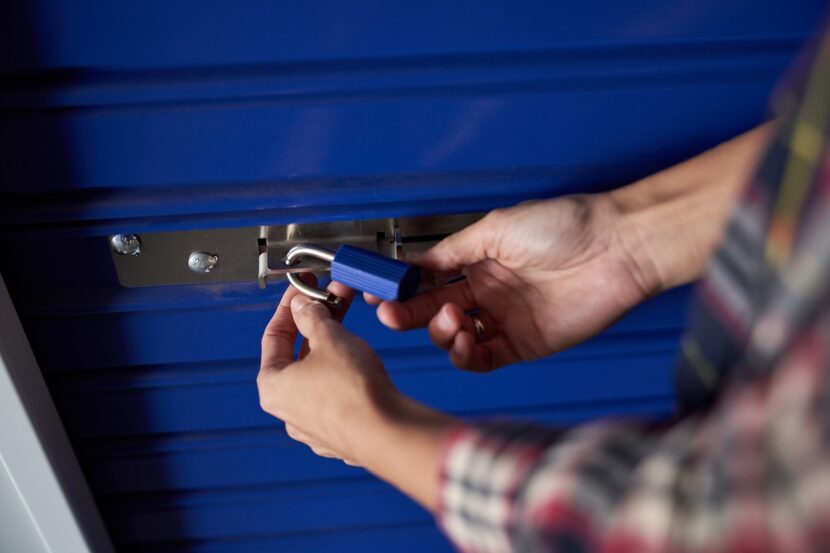
Renting a storage unit can be a convenient solution when you have extra belongings that won’t fit in your home or office. However, the security of your storage unit is a primary concern. Preventing unauthorized access to your rented storage unit is not only about protecting your valuables, but also about maintaining peace of mind.
In this article, we’ll explore practical steps you can take to keep your storage unit secure, minimize risks of unauthorized entry, and ensure the safety of your items.
1. Choose a Storage Facility with Advanced Security Features
When selecting a storage facility, closely examine its security measures. Reliable facilities usually offer a combination of safeguards like gated access, surveillance cameras, and well-lit areas. A reputable storage company may also have on-site security personnel.
Access Control Systems: Choose a facility with electronically controlled access. These systems regulate who can enter the premises by requiring individual security codes or keycards. Facilities with 24/7 access monitoring are generally more secure.
Surveillance Cameras: Ensure the property has a good network of CCTV cameras that operate around the clock. Visible surveillance cameras act as deterrents, and recorded footage is helpful in case of a suspected incident.
Adequate Lighting: A well-lit facility is more likely to deter intruders. Pay attention to whether the site is properly illuminated at night, especially in high-traffic areas and near storage units.
2. Invest in a High-Quality Lock
Not all locks are created equal. While some facilities might provide a basic lock with your unit, it’s usually advisable to invest in a heavy-duty lock with additional features such as anti-cut protection.
Disc Locks or Cylinder Locks: Disc locks are highly secure because they resist tampering and bolt cutters. Similarly, cylinder locks can be difficult to pick and are often recommended for storage units.
Avoid Traditional Padlocks: Standard padlocks are easier to break or tamper with. Upgrade to options specifically designed for advanced security needs to make unauthorized access more challenging.
3. Limit Who Has Access
It’s imperative to control who can enter your storage unit. As a rule of thumb, share access only with trusted individuals. Keep a close watch on how keys, codes, or access tools are being used.
Be Cautious with Keys and Codes: If your storage unit uses key-based access, do not hand over spare keys to anyone unless absolutely necessary. Similarly, avoid sharing your digital access code or keycard indiscriminately. If you suspect any misuse, ask the facility to help you reset your code immediately.
Track Visits to Your Unit: Regularly check your unit to ensure everything remains in place and untouched. Even if your unit is secure, periodic visits help you notice if anything seems suspicious.
4. Avoid Storing High-Value or Irreplaceable Items
Storage units are best for items that are important but not irreplaceable. While security measures reduce risks, it’s always better to avoid putting expensive jewelry, vital documents, or family heirlooms in storage. Instead, opt for a safe deposit box or safe within your home for such valuables.
5. Insurance: An Added Layer of Protection
Even with the most stringent security measures, ensuring your belongings are insured offers an essential safety net. Many storage facilities offer insurance policies tailored to the needs of renters. Alternatively, you might check if your homeowner’s or renter’s insurance covers items in a storage facility.
Understand Coverage Limitations: Carefully review the policy to understand what is covered. Theft, fire, and natural disasters might be included, but coverage levels can vary significantly.
6. Stay Connected with Facility Management
A proactive relationship with the storage facility’s management team can help in many ways. Managers often keep track of unusual activity on the property and can notify you about any concerns regarding your unit’s security. Regular communication with management ensures you’re updated about policy changes, software upgrades, or planned maintenance.
Final Thoughts
Securing your rented storage unit involves a mix of diligence, smart choices, and the right tools. Begin by selecting a well-secured storage facility and enhancing it with your own protective measures like a sturdy lock. Maintaining limited access, monitoring your unit, and insuring your belongings significantly reduces risks and improves your peace of mind.