
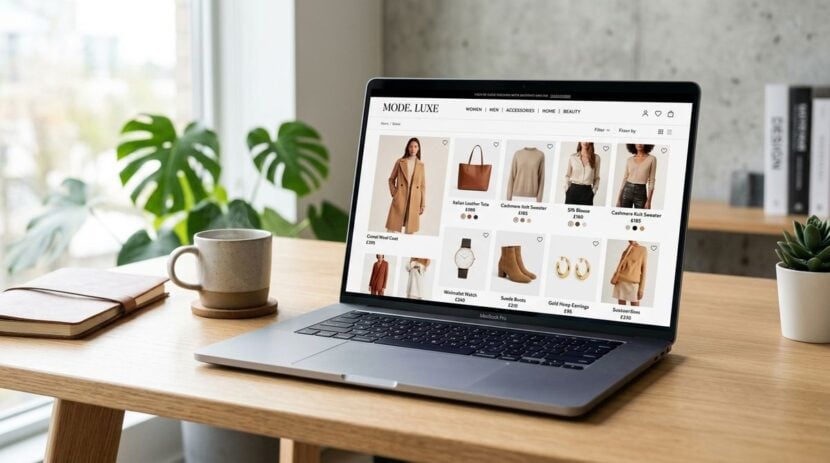
Buying clothes online has become an everyday habit for many shoppers, yet the process is far from uniform. A search for a jacket can lead to a large marketplace with thousands of sellers, a single brand’s own website or a resale app where previously worn pieces are listed by private owners. Each channel offers a different mix of choice, reassurance and value, and the best choice often depends on what the shopper needs from the purchase. Understanding those differences before the first click saves time and avoids many of the disappointments that come with a rushed order.
This article compares three ways to shop for clothing online: large multi-seller marketplaces, direct brand websites and resale platforms. It looks at how each one handles sizing, returns, pricing and the range of styles on offer. The closing section explains a practical way to choose, based on the item, the budget and the shopper’s tolerance for uncertainty.
Large Multi-Seller Marketplaces
A multi-seller marketplace brings together many shops and private sellers on one platform. Shoppers can compare similar items from several sources, filter by price, color or size and read reviews left by other buyers. Readers may also want to visit Wellness 786. This approach gives the widest choice, which makes it useful for finding hard-to-source sizes or unusual styles. The drawback is inconsistency. Quality, sizing and return policies can vary widely between sellers, and a bargain may arrive looking different from the photos. Shoppers who choose this route should keep the seller’s policy in view and save the original listing in case of a dispute. Comparing a few sellers before buying often reveals which ones describe their items accurately. Those checks take only a few minutes and can prevent a disappointing delivery.
Direct Brand Websites
Buying straight from a brand’s own website usually offers the most reliable information. Size charts are typically consistent, product descriptions follow the brand’s standard style and returns are handled by the company that made the item. This approach suits shoppers who know a label’s fit and want to reorder a favorite item with confidence. You can also visit Doctorsstudio.org for more reading. The downside is a narrower range of styles, and the prices may be higher than on a marketplace. Brand websites also run seasonal promotions that can change the value of a purchase, so timing matters. Checking the size chart against a well-fitting garment at home helps avoid unnecessary returns, and it makes the next order much easier. Measuring a favorite jumper and comparing it with the table is a quick way to learn. Keeping that measurement in a note on the phone saves time on future orders.
Resale Platforms
Resale apps let people list clothing they no longer wear, which creates a second market for well-kept items. Shoppers can often find designer or discontinued pieces at lower prices, and sellers may describe condition in detail. For a related read on this site, see Managing Personal Wellness Data Through Wearable Technology. This route suits shoppers who enjoy variety, who are comfortable with secondhand items and who want to reduce their impact on waste. The trade-offs include unpredictable sizing, the possibility of wear that was not visible in photos and limited return options. Shoppers should read each seller’s description carefully and be prepared to accept small imperfections that come with pre-owned clothing. Asking the seller a direct question before buying often clears up doubts quickly.
How to Choose the Right Channel
Begin with the item. Basics such as plain tees or everyday trousers are often easiest to buy from a brand you already trust, while a rare or vintage piece may only appear on a resale platform. Next, think about sizing. If you have a clear sense of how a label fits, direct purchase reduces risk. If you are experimenting with new sizes, a marketplace with flexible returns can provide a safety net. Finally, consider the budget and patience. Resale can save money but requires time to browse, while a brand site offers quick, predictable checkout. Many shoppers combine channels, buying basics from a trusted label and searching elsewhere for distinctive pieces. That mix often gives the best balance of cost, fit and personal style.
Building a Calm Online Wardrobe
Online shopping works best when it follows a clear plan. Keep a short list of gaps in your wardrobe, set a monthly budget and wait a day before buying anything impulsive. Shopping with a list keeps attention on what is truly needed. Writing the list before opening any site keeps the search focused. Save receipts and return policies, and keep track of which channels consistently deliver the results you want. A thoughtful approach turns online clothing purchases from a series of gambles into a steady, satisfying way to refresh your wardrobe.