
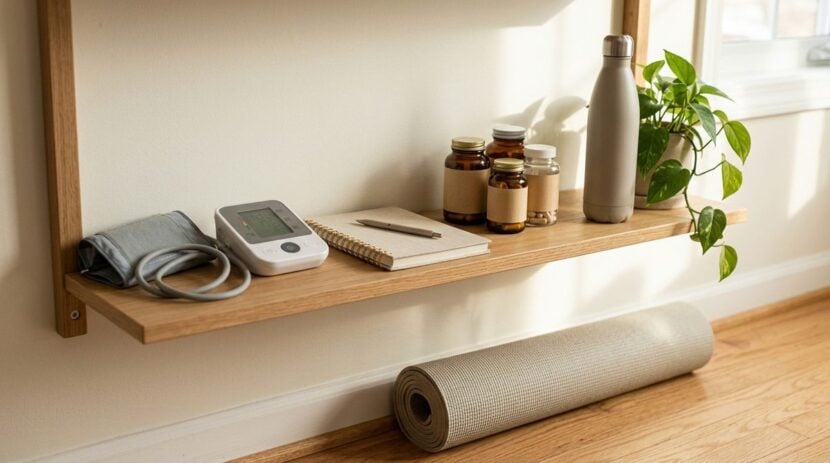
Creating a space that supports both intense focus and necessary relaxation is essential for those who spend a significant portion of their time engaged with technology. A balanced home environment serves as a foundation for productivity and long-term well-being. By thoughtfully curating the physical and digital elements of your surroundings, you can design a space that feels less like a workspace and more like a holistic sanctuary.
Designing Your Personal Restoration Zone
Your primary workspace is where you likely spend the most time, making it the most critical area to optimize. Start by prioritizing comfort and ergonomics, which can help mitigate physical strain often associated with prolonged desk work. Adjustable chairs and monitor heights are important, but also consider the aesthetic impact of your space. Incorporating soft, warm lighting that mimics natural cycles can help reduce eye strain and promote a calmer atmosphere. Minimalist organization, where tech cables and peripheral equipment are neatly tucked away, can further contribute to a sense of order and tranquility.
Beyond physical equipment, consider the air quality and noise levels in your primary zone. Plants can act as natural air purifiers, adding a touch of greenery that improves both the air and the visual appeal of your desk setup. If your environment is often busy or loud, consider using soft textiles, rugs, or acoustic panels to dampen sound. These subtle changes can transform a purely functional area into a place where you can concentrate effectively, yet feel at ease.
Integrating Physical Movement into Your Workspace
The habit of remaining sedentary while working is one of the most significant challenges for technology users. Breaking up periods of focus with movement is crucial for maintaining physical flexibility and mental clarity. It is not about intense exercise during work hours, but rather incorporating gentle stretching or simple movements into your routine. For those looking for structured guidance, runliftyoga.com provides insights into how yoga can enhance flexibility and mental clarity during long work days.
Consider setting up a dedicated space nearby where you can step away from screens entirely. Even a small corner with a yoga mat or a comfortable chair for quiet reflection can serve as a transition zone. When you feel a dip in energy, stepping away to this area for a few minutes can reset your focus. The goal is to make movement a seamless part of your day, rather than a separate chore. By physically changing your environment, you signal to your body and mind that it is time to shift from high-intensity tasks to active recovery.
Harmonizing Environmental Wellness and Technology
Technology can and should be used to support a healthier living environment. Smart home tools allow you to control your surroundings with ease, ensuring that your home remains a supportive space. Automated thermostat settings, for example, can keep temperatures comfortable throughout the day, ensuring you are neither too hot nor too cold. Smart lighting systems can be programmed to gradually dim as the evening approaches, helping to prepare your body for rest.
Noise management is another area where technology is particularly beneficial. Active noise-canceling headphones can be a lifeline in busy households, allowing you to create a quiet bubble when needed. Conversely, for times when you need background sound to help you focus, smart speakers can play ambient sounds or calm music without requiring you to manually adjust settings constantly. The idea is to have these systems work in the background, minimizing the need for manual interaction so you can stay immersed in your work or relaxation without distraction.
Automating Holistic Health Maintenance
Maintaining a holistic approach to health often requires consistency, which can be difficult to manage with a busy schedule. Technology provides a simple way to stay on track. Using digital calendars for more than just work meetings is key; you can schedule reminders for hydration, eye breaks, or even time to prepare a nourishing snack. When seeking balanced solutions for daily wellness challenges, natural-remedies-nurse.com offers information on various approaches to maintaining health.
You can also create a digital checklist of daily healthy habits to ensure you are not forgetting the basics:
- Confirming daily water intake goals.
- Scheduling time for complete disconnection from screens.
- Setting reminders to stretch or move at regular intervals.
- Planning meals that support balanced energy levels.
- Ensuring time for quiet reflection or meditation.
By delegating these reminders to your devices, you free up mental bandwidth. Instead of constantly monitoring your needs, you receive timely prompts that gently nudge you toward healthier choices, ensuring that your well-being does not fall by the wayside during busy periods.
Sustaining Your Long-Term Wellness Goals
Creating a restorative home is not a one-time project; it is an ongoing process of refining your environment to meet your evolving needs. This includes ensuring your financial and logistical habits support your wellness efforts. For example, setting up automatic subscriptions for healthy supplies or wellness tools can ensure you always have what you need without extra effort, and automating your financial health routines can help ensure those commitments are met. Having a solid foundation in place allows you to focus on your work and relaxation without the burden of constant management.
Periodically review your home setup to ensure it still serves your needs. As your habits change, your space should change with you. Perhaps you need a different lighting setup, or you find that a new piece of technology helps you manage your schedule more effectively. The most successful environment is one that adapts to you, rather than one you have to force yourself to fit into. By staying mindful of how your space impacts your daily experience, you can cultivate a home that truly sustains you over the long term.
Embracing this holistic approach to your technology-integrated lifestyle creates a more balanced existence. It is about acknowledging that you are not just a user of technology, but a person who needs physical movement, environmental harmony, and consistent habits to thrive. By consciously designing your space and leveraging tools in support of your well-being, you can build a lifestyle that prioritizes health alongside productivity, fostering a more harmonious home for the future.