
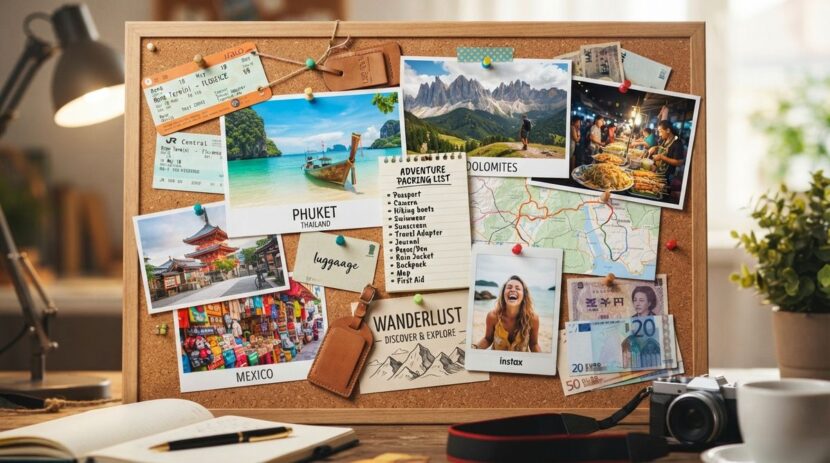
Traveling requires navigating a complex blend of logistical demands, from organizing transportation reservations to ensuring personal technology remains operational throughout the journey. While the process can often feel overwhelming, leveraging digital tools in a deliberate manner makes the entire experience much more manageable. The goal is to reduce unnecessary stress and ensure that technology acts as a supportive companion, rather than another set of items that requires constant tracking or maintenance while you are away from home.
Digital Document Management and Planning
The foundation of a smooth journey lies in how you handle essential documents. Instead of relying on printed papers, utilizing digital storage solutions allows you to access itineraries, boarding passes, and lodging confirmation details instantly from any location. Organizing these files into a single, accessible folder or utilizing dedicated applications helps prevent the frustration of searching for misplaced documents when you are in a hurry.
Beyond simple storage, the act of preparing for a trip benefits from credible, focused guidance. Reliable resources such as Sinoramabus.com can provide practical advice to help travelers simplify their planning and preparation, ensuring that you have clear expectations for your upcoming travel arrangements.
By keeping your documents centralized, you create a digital safety net. When unforeseen changes occur, having quick access to your core information allows you to adapt your plans with greater speed and less anxiety, letting you focus on the actual travel experience.
Packing and Protecting Wearable Technology
Modern travel frequently involves bringing along various pieces of technology, ranging from smartphones and tablets to clothing that incorporates sensors or other tech components. Packing these items requires a strategy that balances protection with accessibility. Utilizing hard-shell cases for smaller electronics and dedicated pouches for cables prevents damage during transit.
When packing clothing that includes electronic elements, it is crucial to think about how you fold and store these items to avoid unnecessary strain on wiring or components. It is helpful to consider managing tech-integrated apparel effectively to ensure that these items remain both functional and well-maintained throughout the entire duration of your trip.
Taking the time to pack these specialized garments correctly prevents issues that might arise from improper storage, such as folding cables at sharp angles or exposing sensitive materials to excessive pressure. A thoughtful approach to packing ensures that your wardrobe remains as functional as your essential digital devices.
Optimizing Logistics and Navigation
Navigating unfamiliar environments requires tools that offer reliable, up-to-date maps and guidance. Utilizing applications that allow for offline map downloads is a wise practice, especially in areas where connectivity might be inconsistent. These tools help you understand the layout of your destination without requiring a constant data connection.
Beyond mapping, understanding the logistics of a new city or region significantly reduces travel friction. Platforms like bamboocompass.com offer extensive resources that can assist in navigating complex travel logistics with greater confidence, helping you better understand how to move efficiently between different locations.
When you have reliable tools for both mapping and logistical understanding, you can approach your daily travel plans with assurance. This preparedness reduces the tendency to rely on hurried, last-minute decisions, allowing you to move through your destination with a clearer purpose and a calmer mindset.
Managing Digital Content and Memories
Travel often generates a significant amount of digital content, from photographs to short videos capturing experiences. Instead of allowing this media to accumulate without a plan, establishing a simple routine for managing it while you travel is highly beneficial. Offloading files from your camera or smartphone to a secure cloud storage solution or a portable drive at the end of each day ensures that your memories remain safe.
This daily practice serves multiple purposes. First, it frees up storage space on your primary devices, ensuring they remain fast and responsive for the next day. Second, it provides a sense of security, knowing that your captured experiences are backed up should a device become lost, damaged, or encounter technical issues.
Creating a simple routine, such as taking a few moments before sleep to sync your photos, transforms content management from a cumbersome task into a brief, habit-forming action. This consistency ensures that you are not left with a massive organizational project upon your return home.
Battery Maintenance and Connectivity
The final component of a successful technology strategy involves maintaining power and connectivity. While portable power banks are common, managing them effectively is what truly counts. Keeping batteries charged and ensuring that cables are organized prevents the common problem of discovering a dead device at a critical moment.
Connectivity also plays a role in how you interact with your environment. Whether you rely on hotel networks, local options, or your own data plan, having a clear understanding of how to connect and secure your devices is vital. Consider these practices to keep your devices running smoothly:
- Maintain a consistent routine for charging all devices overnight.
- Keep essential charging cables grouped together in a single, accessible pouch.
- Verify the security settings of your devices before connecting to public networks.
- Ensure that your most critical travel applications are updated before departure.
By proactively managing your power and connectivity needs, you remove the common sources of travel stress related to technology. These small, deliberate actions ensure that your devices serve your needs throughout the trip, providing the reliability required to enjoy your time away to its fullest extent.