
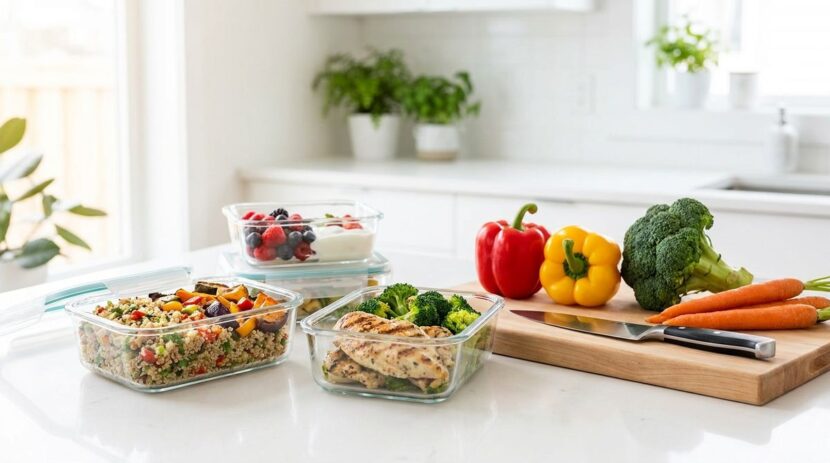
Modern kitchen marketing often convinces tech enthusiasts that cooking efficiently requires smart refrigerators, Wi-Fi-enabled pressure cookers, and pricey countertop gadgets that take up valuable counter space. Yet professional cooks and frugal home engineers know that true kitchen efficiency comes from thermodynamics, smart workflow organization, and a handful of durable, well-chosen tools rather than connected appliances. Upgrading a home kitchen on a small budget allows tech-minded cooks to prepare healthier, faster meals while cutting monthly food and utility expenses dramatically.
Approaching cooking as an optimization problem reveals massive opportunities to save both time and money using basic physics and open-source digital tools. From mastering heat retention on standard stovetops to organizing digital recipe databases that eliminate food waste, thoughtful kitchen systems outperform expensive smart gadgets every time. With a few targeted upgrades and smarter preparation habits, any kitchen can operate with restaurant-grade precision on a shoestring budget.
Choosing High-Impact, Low-Cost Kitchen Hardware Over Smart Gadgets
Many connected kitchen appliances suffer from fragile electronics, proprietary apps that lose support, and single-purpose designs that gather dust after a few uses. Investing modest funds in foundational, non-electric kitchen tools delivers decades of reliable performance and faster meal prep. A fast-reading digital instant-read thermometer is arguably the single best tech upgrade for any home cook, eliminating guesswork, preventing dry overcooked proteins, and ensuring food safety in two seconds flat.
Pair a reliable digital thermometer with a basic digital kitchen scale for weighing ingredients in grams rather than fumbling with multiple measuring cups. Weighing flour, grains, coffee, and batch-prepped portions improves baking consistency dramatically while reducing dirty dishes to wash afterward. Readers may also want to visit tvn24. Adding one heavy-bottomed cast iron skillet or stainless steel pan provides superior heat retention that outperforms thin, expensive nonstick pans year after year.
Sharpening existing kitchen knives using an inexpensive whetstone or manual pull-through sharpener transforms prep speed instantly. A sharp blade slices vegetables cleanly and safely without crushing delicate herbs or requiring risky downward force.
Optimizing Cooking Energy and Batch Prep Workflows
Applying basic thermal efficiency principles in the kitchen lowers monthly gas and electricity bills while cutting active cooking time in half. Cooking grains, dried beans, and hearty stews in large batches once or twice a week amortizes oven preheating and stovetop energy across multiple meals. Using residual heat by turning off electric burners or ovens five minutes before cooking finishes lets trapped thermal energy complete the job for free.
Keeping lids tightly closed on pots brings water to a boil significantly faster and prevents heat from escaping into the kitchen during warm months. Matching pot base diameters closely to burner sizes ensures thermal energy transfers directly into the food rather than heating surrounding air. You can also visit tnt-news.com for more reading. Using stackable, uniform glass or food-grade containers maximizes refrigerator airflow so appliances run cooler with less compressor effort.
Organizing the kitchen counter into clear preparation, cooking, and cleanup zones eliminates wasted steps during busy weeknight dinners. Keeping frequently used oils, spices, cutting boards, and utensils within arm’s reach of the stove streamlines every meal into a smooth, repeatable sequence.
Using Free Digital Tools to Eliminate Food Waste and Automate Lists
Food waste is one of the quietest drains on household budgets, yet free open-source software and simple digital workflows make pantry tracking effortless. Maintaining a shared plain-text grocery list or open-source recipe manager synced across household phones prevents duplicate purchases at the store. Tagging saved recipes by key perishable ingredients allows home cooks to search their own collection whenever half a bunch of cilantro, a carton of yogurt, or leftover roasted vegetables needs to be used up.
Building a modular weekly meal matrix in a simple spreadsheet turns meal planning into a five-minute exercise. Listing core proteins, seasonal vegetables, and pantry starches in columns makes it easy to mix and match combinations based on what is already sitting in the refrigerator. For a related read on this site, see How to Make a Home Wi-Fi Network Easier. Keeping a running freezer inventory note on the refrigerator door prevents frozen leftovers from getting buried and forgotten.
Digitizing favorite family recipes by photographing handwritten cards or saving clean markdown files preserves culinary knowledge permanently without cluttering counters with stained binders.
Maintaining Appliances for Peak Performance and Longevity
Simple preventative maintenance keeps existing kitchen appliances running efficiently for years, avoiding costly emergency replacements. Vacuuming dust and pet hair off refrigerator condenser coils twice a year allows the cooling system to release heat properly, lowering electricity usage and extending compressor life. Checking rubber door gaskets on refrigerators and ovens with a simple sheet of paper confirms tight thermal seals that prevent cold air leaks or heat loss.
Descaling electric kettles, coffee makers, and dishwashers periodically using plain white vinegar removes mineral buildup that slows heating elements and clogs spray arms. Cleaning range hood grease filters in hot soapy water once a month maintains strong ventilation and keeps kitchen air clean.
Treating wooden cutting boards and utensils with a light coat of food-grade mineral oil every few months prevents cracking and warping, keeping natural kitchen tools hygienic and durable without synthetic coatings.
Mastering Culinary Efficiency Through Smart Simplicity
Upgrading home kitchen performance on a small budget succeeds when cooks prioritize accurate measurement, thermal efficiency, and clean digital organization over flashy smart appliances. By investing in a fast digital thermometer, batch-cooking strategically, tracking pantry staples digitally, and maintaining existing appliances, tech enthusiasts enjoy better food and lower bills every week. Thoughtful systems always outperform expensive hardware in the kitchen.