
|
What this covers
|
When a drying job is going slowly because the space is too large for the equipment, the obvious move is to bring in more equipment. More air movers, a bigger dehumidifier, more of everything until the big room comes under control.
There is a cheaper move that experienced operators reach for first, and it costs a roll of plastic sheeting and twenty minutes. Instead of making the equipment bigger, you make the space smaller.
Shrink the Space, Not the Problem
A drying chamber encloses the wet area in plastic sheeting, so the machines work on a fraction of the original volume rather than the whole room. It is the same material used for containment on a mold job, doing a different job here: the goal is concentration, not isolation of contaminants.
The logic is simple. A dehumidifier works only on the air inside its space, and air movers only turn over the air they can reach. In a large room, most of their effort goes into air that was never wet. Wall off the wet area and all of that effort lands where the water is.
You have not added a single machine. You have pointed the machines you have at a much smaller target.
Why It Roughly Doubles the Work
The reason this is so effective comes down to air changes. Air changes per hour measure how fast air in a space is replaced, and it is air changes, not raw machine count, that drives drying.
Reducing the enclosed volume raises the air changes the same machines deliver. A machine moving a fixed volume of air per hour, working in a space half the size, exchanges that space’s air twice as often. Halve the enclosed volume and you roughly double the air changes without touching the equipment. The dehumidifier, now working only on the sealed air rather than the whole room, holds that smaller space far drier.
|
Approach |
Effect |
Cost |
|
Add machines to a big room |
More effort, much of it on dry air |
More rental, more power |
|
Enclose the wet area |
Same machines, far higher air changes |
A roll of sheeting |
|
Both, on a very large loss |
Concentrated power where the water is |
Sheeting plus right-sized machines |
Where It Is the Difference Between Finishing and Stalling
A drying chamber is most valuable in exactly the spaces where a room-sized approach fails: open-plan floors, split levels, converted commercial space and anywhere with a high ceiling. Plastic sheeting isolates the drying area from unaffected rooms, so on a large open floor you seal off the wet corner rather than trying to dry the whole floor plate.
Without it, those spaces are a stalled job waiting to happen. The machines run, the volume is too large for them to turn over quickly, and the readings crawl. With a chamber around the wet area, the same machines that were losing against the whole floor win easily against a sealed corner.
The tell that a job needs one is a large space drying slowly with equipment that should be enough for the wet area but is being asked to condition far more air than the wet area contains.
The Los Angeles Version
Local building stock produces a lot of these spaces. Open-plan layouts in newer construction and converted commercial floors across the city are common, and both are the high-volume rooms where a drying chamber earns its place. A high ceiling, which many of these spaces have, holds far more air than the floor plan suggests, so the volume the machines are fighting is larger than it looks.
On those jobs, reaching for sheeting before reaching for more machines is the move that finishes the job on the equipment already on site.
Renting With the Chamber in Mind
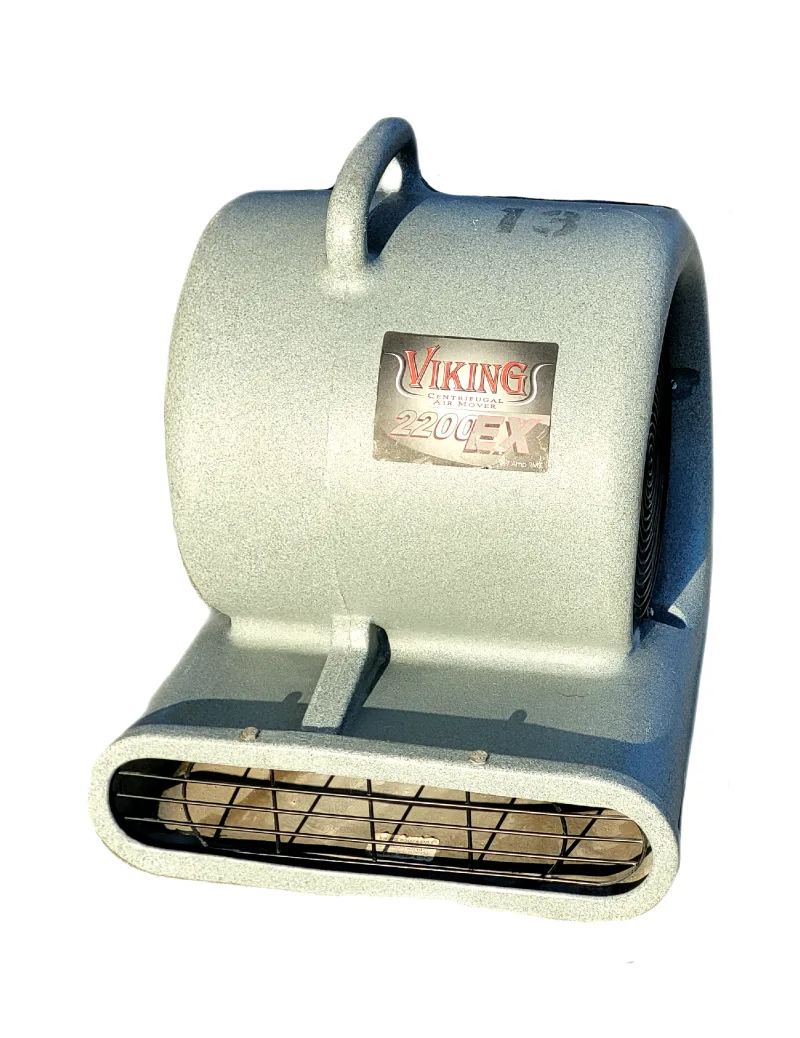
Because a chamber changes how much equipment a large space needs, it is worth planning the rental around it rather than renting to the room size. When you see the air mover rental options, the useful conversation is about the wet area and whether it can be enclosed, not the square footage of the whole room, because a sealed chamber may cut the machine count a big space appears to need. A supplier who asks whether the area can be contained is sizing to the real job. The Los Angeles service area is on the Google Business Profile.
Building One That Actually Works
A drying chamber is simple to build and easy to build badly, and a few details decide whether it concentrates the equipment or just hangs plastic in a room.
The seal matters. The sheeting is taped to the floor, the ceiling and any fixed edges, so the enclosed space is genuinely separate from the room rather than a loose curtain air moves around. The size matters: the chamber is drawn tight around the wet area plus working room, not loosely around half the room, because every extra cubic foot enclosed is effort spread thinner. And the equipment goes inside: the air movers on the wet surfaces and the dehumidifier drawing on the sealed air, so the whole system works on the chamber’s volume and nothing leaks out to the room.
A chamber built loose, oversized, or with the dehumidifier outside it, gives back most of the advantage. Built tight, sized to the wet area, with the machines inside, it is the cheapest capacity increase on the job.
|
Build detail |
Right |
Wrong |
|
The seal |
Taped to floor, ceiling and edges |
A loose curtain |
|
The size |
Tight around the wet area |
Loosely around half the room |
|
The equipment |
Air movers and dehumidifier inside |
Dehumidifier left outside |
It Is Also Faster to the Finish
Beyond the air changes, a chamber helps in a way that is easy to miss: it reaches the finish sooner because it stops re-wetting itself. In an open room, the dry air the dehumidifier produces mixes constantly with the larger room’s air, including any humidity drifting in from elsewhere in the building. The machine spends part of its output just holding the big space steady.
Inside a sealed chamber, the dry air stays dry. The dehumidifier is not fighting the rest of the building, so the enclosed air reaches a low humidity quickly and holds it, which pulls moisture out of the wet material faster. The same machines reach the finish line sooner because they are not losing ground to a space that keeps feeding moisture back in.
When Not to Bother
A drying chamber is not free effort, and on a small contained loss it is not worth the time. A single wet room that the equipment already suits does not need shrinking, because the machines are already working on a space they can handle.
The chamber earns its place when the space is clearly too large for the equipment that the wet area needs: an open-plan floor, a high-ceilinged room, a converted commercial space, or any job where the wet area is small but the room around it is vast. The tell is a modest wet area in a large volume, with equipment that should be enough for the wet area struggling because it is being asked to condition far more air than the wet area holds. That is the job where twenty minutes with a roll of sheeting does more than another machine would.
Planning the Rental Around a Chamber
A drying chamber changes how much equipment a large space needs, which is why it is worth raising at the rental stage rather than discovering on site. A loss in a big open room looks like it needs a lot of machines if you size to the room. Size to the wet area inside a chamber and the number often drops sharply, because the equipment is working on a fraction of the volume.
So the useful conversation when renting for a large space is about the wet area and whether it can be enclosed, not the square footage of the whole room. If the wet area is small and the room is vast, a chamber of plastic sheeting plus a right-sized set of machines beats a room-sized pile of equipment, and it finishes faster because the dehumidifier is not fighting the whole building. The sheeting is cheap, the setup is quick, and the saving in machines and running cost is real.
A supplier who asks whether the wet area can be contained, rather than just quoting machines for the room, is sizing to the job the chamber creates rather than the room as found. That is the difference between renting a large pile of equipment to fight a big volume and renting a modest set to win against a sealed corner. On an open-plan floor or a high-ceilinged space, planning around a chamber is what keeps the rental proportionate to the water rather than to the room.
The Short Version
When a space is too big for the equipment, shrink the space. A drying chamber of plastic sheeting concentrates the same air movers and dehumidifier on a fraction of the volume, roughly doubling the air changes without renting a thing. On an open floor or a high-ceilinged room, it is the difference between a stalled job and a finishing one.