
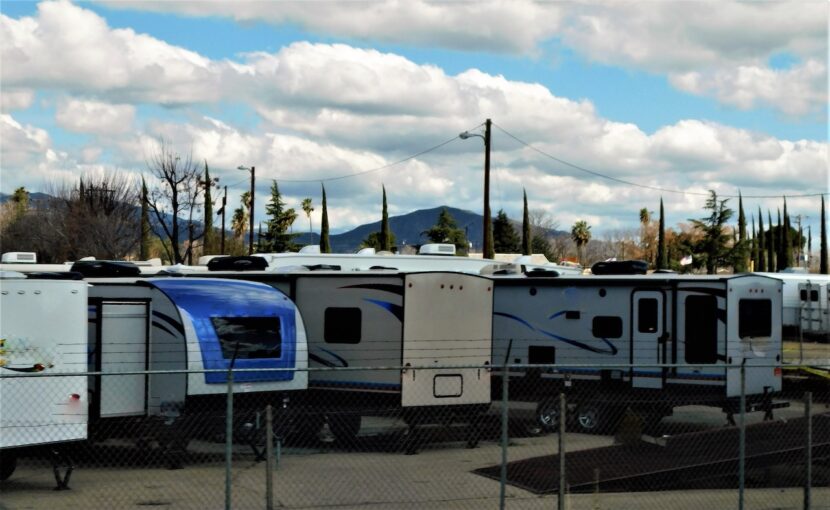
Owning an RV offers unparalleled freedom, but it also comes with responsibilities, including where to store it when it’s not in use. If you’re debating between long-term RV storage or keeping your RV at home, this guide explores both options in depth to help you make the best choice.
The Case for Long-Term RV Storage
1. Space and Convenience
Long-term storage facilities are designed for RVs. If you’re limited on space at home—a tight driveway, a lack of street parking, or adverse Homeowners Association (HOA) rules—a rented storage unit might be your best bet. These facilities accommodate RVs of varying sizes, saving you the headache of maneuvering or crowding your property.
Additionally, facilities often offer perks such as wide driveways, covered storage options, and even drive-up access. This makes it easier to pick up and drop off your RV without the logistical challenges of residential storage.
2. Protection from the Elements
Over time, constant exposure to sun, rain, snow, and wind can cause significant damage to your RV’s exterior and interior. Long-term RV storage facilities often offer climate-controlled or covered storage spaces that shield your vehicle from harmful UV rays, rust, and extreme temperatures. This added layer of protection could save you hefty repair and maintenance costs in the long run.
3. Security Features
RVs are valuable assets, making them a tempting target for theft or vandalism. With long-term RV storage, peace of mind comes with added security. Facilities typically have gated entries, 24/7 camera surveillance, and staff presence to deter unauthorized access. This is a level of security that’s hard to replicate if you’re parking your RV in your driveway or on the street.
4. Additional Amenities
Some storage facilities offer attractive extras, including maintenance services, cleaning, and on-site repairs. While these might come at an additional cost, they could save you time and provide convenience if your RV requires periodic upkeep.
The Case for Keeping Your RV at Home
1. Cost Savings
The most obvious advantage of storing your RV at home is that it’s free. Long-term storage facilities can range from moderately priced to expensive, especially if you’re opting for covered or climate-controlled storage. If you don’t mind parking your RV in your driveway or backyard, you’ll save a considerable amount of money.
2. Easy Accessibility
If you frequently use your RV, having it at home can be convenient. Whether you need to inspect, clean, or prep for your next trip, your RV is just a few steps away. This ease of access can make home storage ideal for RV owners who like to keep their vehicle well-maintained or embark on impromptu adventures.
3. No Dependence on Facility Hours
Storage facilities often enforce strict operating hours, and accessing your RV outside those hours might be challenging. By keeping your RV at home, you’re not restricted by third-party schedules. This flexibility ensures your RV is ready to go whenever you are.
Key Factors to Consider
When deciding between long-term storage and home storage, think about the following:
- Space Availability: Do you have ample, legal, and accessible space at your home?
- Neighbor and HOA Restrictions: Will your RV impact nearby homes or violate community rules?
- Travel Frequency: Are you hitting the road often, or is your RV idle for months at a time?
- Budget Constraints: Can you afford long-term storage, or would you prefer to save those funds for travel and maintenance?
- RV Maintenance: Are you equipped to protect your RV’s exterior and ensure regular upkeep at home?
What’s the Right Choice for You?
For homeowners with space and no external restrictions, keeping your RV at home could save you a lot of money. However, if you’re constrained by space, local rules, or the need for additional protection and security, a rented storage unit could offer a much-needed solution.
Ultimately, the choice between long-term storage and home storage boils down to personal preferences, financial considerations, and how much value you place on convenience and security. Whatever you decide, making an informed choice will ensure your RV is well-maintained and ready for your next journey.