
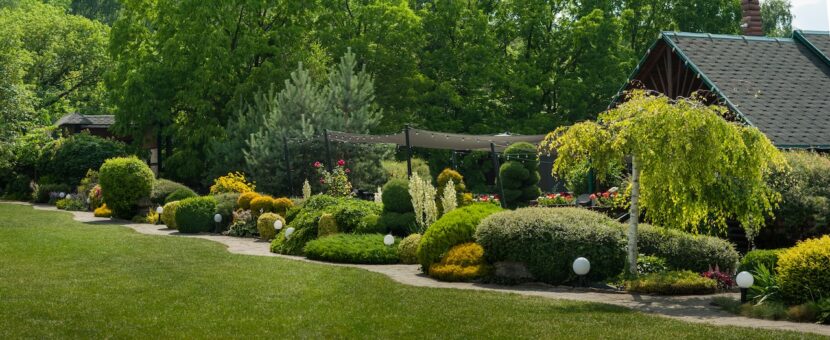
Landscaping can be a rewarding endeavor, but it often comes with challenges—especially when you live in areas prone to water scarcity or simply want a yard that’s easy to maintain. Enter drought-tolerant plants, the ultimate solution for creating a sustainable, beautiful, and hassle-free outdoor space.
Below, we’ll explore why these plants should be on your radar and guide you on how to make smart choices when designing your water-conscious garden.
Why Choose Drought-Tolerant Plants?
Drought-tolerant plants offer several benefits beyond their ability to survive with minimal water. For starters, they help you conserve water, which is both environmentally responsible and cost-effective. These plants are often resilient, require less maintenance, and are well-suited to thrive in a variety of climates, making them perfect for busy homeowners.
Moreover, a yard filled with such plants does not mean sacrificing aesthetics. Many drought-tolerant species boast vibrant flowers, interesting textures, and unique foliage that bring life and beauty to your outdoor space.
How to Choose the Right Drought-Tolerant Plants
Landscaping is not just about choosing plants that can survive in harsh conditions. It is also important to consider the overall design and theme of your yard, as well as the specific needs of each plant. Here are some tips for selecting the right drought-tolerant plants for your landscape:
1. Understand Your Climate
Every yard is different. Your local environment plays a crucial role in determining which drought-tolerant plants will thrive. For example, plants that thrive in dry heat may not perform well in areas with high humidity levels. Research plants native to your region, as they’re naturally adapted to the local conditions.
2. Assess Your Soil Type
Not all plants can grow in every kind of soil. Whether your yard has sandy, loamy, or clay-heavy soil, ensure the plants you select match those conditions. You may also invest in soil amendments to improve drainage and fertility for better plant health.
3. Identify Levels of Sun Exposure
Sunlight is another critical factor. Drought-tolerant doesn’t necessarily mean all plants can withstand full sun all day. Some plants are better suited to partial shade, while others thrive in direct sunlight.
4. Mix and Match Plant Varieties
Blend different plant sizes, shapes, and colors to create visual interest. Groundcovers like creeping thyme or succulents can add texture, while shrubs like lavender or sage can provide foliage and accent points.
Top Picks for a Vibrant, Water-Wise Garden
Here’s a curated list of popular drought-tolerant plants that work well in a variety of landscapes:
- Succulents: Plants like aloe vera and echeveria are low-maintenance and bring contemporary appeal.
- Lavender: Renowned for its fragrance and vibrant purple blooms, lavender thrives in sunny, well-drained areas.
- Sage (Salvia): This hardy perennial delivers colorful flowers that attract pollinators like bees and butterflies.
- Yucca: A bold statement plant with sharp, architectural foliage.
- California Poppy: Offering bright orange or yellow flowers, this wildflower is easy to grow and highly drought-tolerant.
- Rosemary: This herb doubles as a decorative and culinary plant while being remarkably resilient to dry conditions.
Tips for Maintaining Your Drought-Tolerant Yard
1. Mulch to Retain Moisture
Applying mulch around your plants not only conserves water but also helps sustain soil health by reducing evaporation and suppressing weeds.
2. Group Plants by Water Needs
Even within drought-tolerant species, water requirements can slightly differ. Group plants with similar needs to simplify irrigation and care routines.
3. Invest in Smart Irrigation
A drip irrigation system delivers water precisely where and when it’s needed, making it a water-efficient option for keeping your plants healthy.
4. Prune and Monitor
Regular pruning ensures your plants remain in top shape while allowing better air circulation. Monitor your yard for pests or disease, as stress factors can make even drought-tolerant plants vulnerable.
Embrace a Low-Maintenance Lifestyle with Drought-Tolerant Landscaping
By incorporating drought-tolerant plants into your landscaping design, you’ll not only achieve a yard that’s beautiful and functional but also do your part in promoting sustainability. Take the time to assess your local conditions, select plants wisely, and maintain them mindfully. Soon, you’ll enjoy the benefits of a yard that’s as stress-free as it is stunning.