
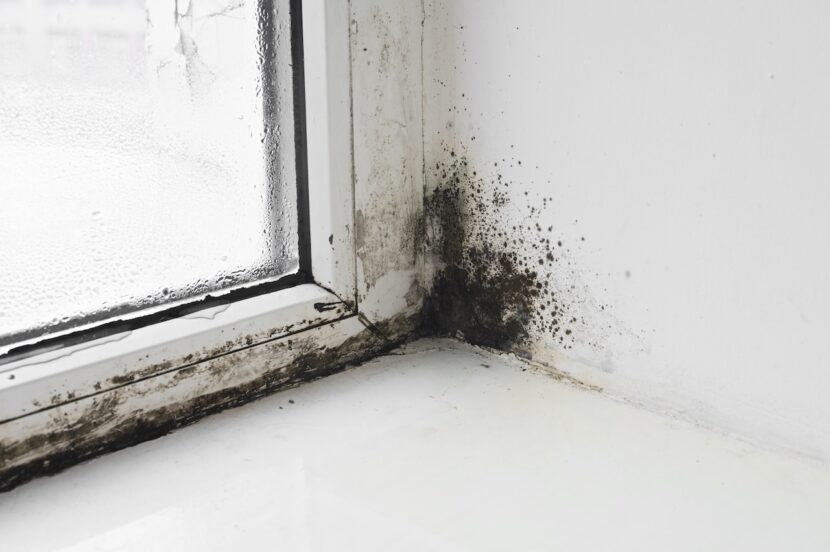
Mold is more than just an unsightly nuisance—it can pose significant health risks and structural challenges if left unaddressed. Recognizing the signs of mold early can save you time, effort, and potential health issues. This guide will walk you through the common indicators of mold in your home and actionable steps you can take to address the problem effectively.
Recognizing the Signs of Mold
Mold isn’t always obvious, but there are some telltale signs to watch out for. Identifying these early can prevent larger issues down the line.
1. Musty Odors
One of the earliest and most common signs of mold is a persistent, musty smell. This odor often lingers in areas with poor ventilation or high humidity, such as basements, bathrooms, or attics. If you detect such a smell, it’s time to investigate further.
2. Visible Spores or Stains
Mold often appears as black, green, or white spots on surfaces. Common areas include walls, ceilings, and even your furniture. While some mold may be small and less noticeable, large colonies can spread quickly if unchecked.
3. Increased Allergy Symptoms
Mold can affect indoor air quality, leading to health symptoms such as sneezing, a runny nose, or itchy eyes. For individuals with asthma, mold exposure may trigger wheezing or difficulty breathing.
4. Peeling or Bubbling Paint
Excess moisture can lead to paint peeling, cracking, or bubbling—another potential indicator of mold growth. When you spot such issues, examine the underlying materials for a deeper problem.
5. Discoloration on Walls or Fabric
Mold will often cause discoloration, appearing as patches that differ from the surrounding color of surfaces. Pay closer attention to walls, curtains, or carpets exposed to damp conditions.
How to Address Mold in Your Home
Once you’ve identified signs of mold, taking swift action is crucial to prevent its spread. Here are practical steps to combat the problem effectively.
Step 1: Identify the Source of Moisture
Mold thrives in moisture-rich environments. Addressing the cause of excess moisture—whether it’s a leaky pipe, poor attic ventilation, or drainage issues—is key to ensuring mold doesn’t return.
Step 2: Contain the Affected Area
If the mold issue is small, seal off the area to prevent airborne spores from spreading during cleaning. Use tape and plastic sheets to create a barrier when needed.
Step 3: Clean and Remove Mold
For minor mold issues, a mixture of water and detergent can often remove the growth. Scrub hard surfaces such as tiles or glass thoroughly. However, porous materials like drywall or carpets might need to be replaced as mold can penetrate deeply into them.
Step 4: Seek Professional Help
For extensive or toxic mold infestations, contacting a professional radon and mold removal company is essential. Experts can assess the scope of the damage and apply advanced remediation techniques to ensure safety.
Preventing Mold in the Future
Prevention is the most effective way to keep your home mold-free. By taking a proactive approach, you can ensure a healthier and safer environment for your household.
- Control Humidity: Keeping indoor humidity levels below 50% is key. Use dehumidifiers or air conditioners in humid climates.
- Improve Ventilation: Proper airflow reduces the chances of mold growth. Ensure your home has exhaust fans in moisture-heavy areas like bathrooms and kitchens.
- Address Leaks Immediately: Repair any roof or pipe leaks as soon as you notice them. Regular home inspections can help catch problems early.
Mold in your home can feel overwhelming, but proper detection and immediate action make all the difference. Whether it’s cleaning small mold patches or seeking professional radon mold removal services for larger infestations, staying on top of mold growth ensures the safety of your home and family.