
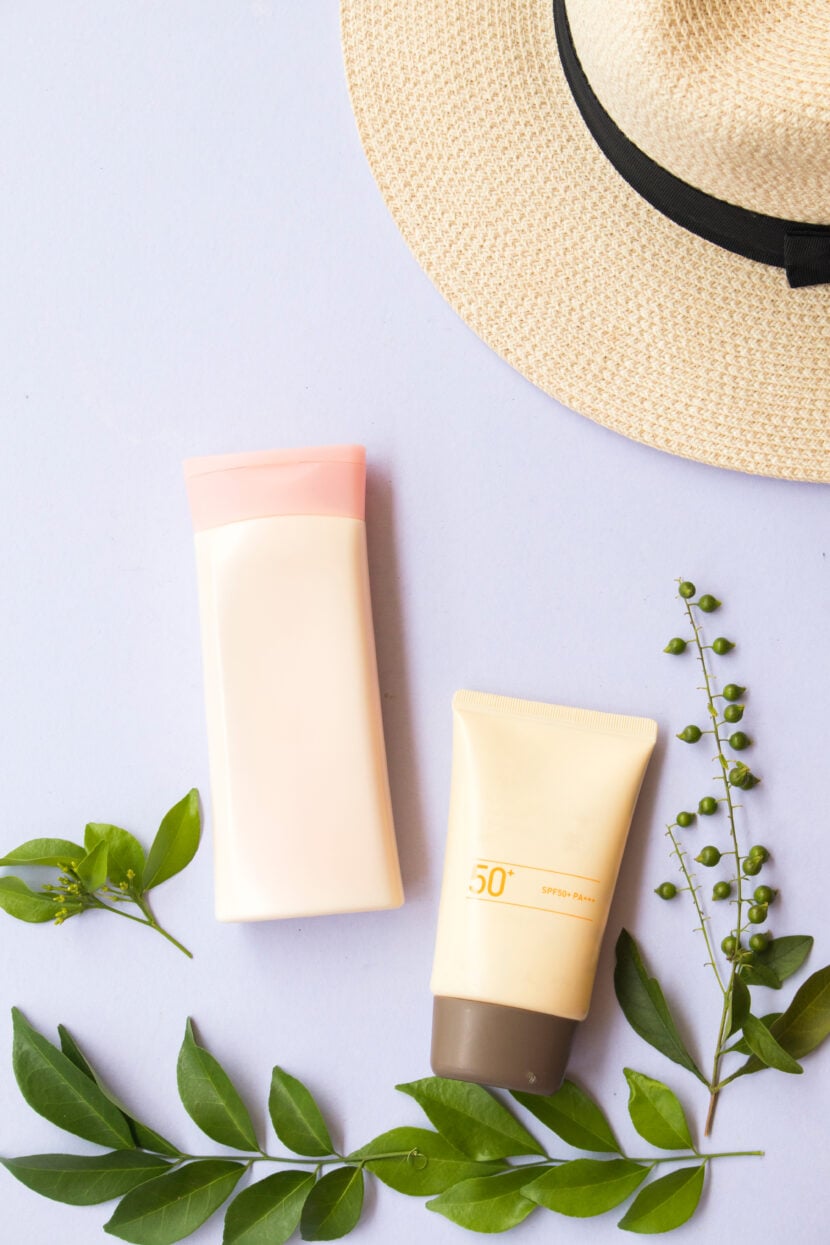
Spending time outdoors offers countless benefits — from soaking up fresh air to engaging in physical activities that invigorate your body and mind. However, those sunshine-filled moments come with their own set of risks, particularly for your skin. Overexposure to the sun’s harmful rays can lead to premature aging, sunburn, and even severe damage like skin cancer. Therefore, implementing effective sun care practices is non-negotiable when you’re planning to spend long hours outside.
This guide will walk you through essential tips and strategies to protect your skin while embracing the great outdoors.
1. Understand the Role of Sunscreen
Sunscreen is your first line of defense. It acts as a protective barrier against harmful UV rays — both UVA, which penetrate deeply into the skin, and UVB, responsible for causing burns.
Choosing the Right Sunscreen
- Broad-Spectrum Protection: Always opt for a sunscreen labeled “broad-spectrum” to ensure coverage against both UVA and UVB rays.
- SPF Value: Use a product with SPF 30 or higher for extended outdoor activities.
- Water Resistance: If swimming or sweating is part of your outdoor plans, a water-resistant formula is crucial.
Application Tips
- Apply sunscreen generously to all exposed skin, including overlooked areas like ears, the back of your hands, and your neck, at least 15-30 minutes before heading out.
- Reapply every two hours, and more often if you’re swimming or sweating.
2. Dress Smart: Protective Clothing Matters
Sunscreen isn’t a standalone solution; pair it with protective clothing that can shield your skin from direct sun exposure.
What to Wear
- Long-Sleeved Shirts and Pants: Lightweight, breathable fabrics like cotton or linen provide excellent coverage without causing overheating.
- UPF Clothing: Some garments come with an Ultraviolet Protection Factor (UPF) rating, offering an extra layer of protection.
- Wide-Brimmed Hats: Unlike baseball caps, wide-brimmed hats protect your face, ears, and neck effectively.
Don’t forget to accessorize with sunglasses that have 100% UVA and UVB protection to safeguard your eyes and the delicate skin around them.
3. Plan Your Day to Minimize Direct Exposure
Sunlight is strongest during certain hours of the day. By scheduling your outdoor activities wisely, you can reduce the amount of direct sun exposure.
Timing Is Key
- Aim to spend time outdoors in the early morning or late afternoon when UV rays are less intense.
- Avoid staying outside for extended periods between 10 a.m. and 4 p.m., the peak hours for UV radiation.
Use tools like weather applications or UV-index trackers to plan your outings when the risk is lower.
4. Stay Hydrated and Nourished
Excessive sun exposure doesn’t only impact your skin — it can dehydrate your entire body, which in turn affects your skin’s health and appearance.
Tips to Stay Hydrated
- Drink water consistently throughout the day, especially if you’re active or in a hot climate.
- Include fruits and vegetables with high water content, like cucumbers, watermelon, and oranges, in your meals to boost hydration.
Proper hydration helps maintain your skin’s elasticity and promotes faster recovery if you do get sun exposure.
5. Know the Signs of Overexposure
Despite your best efforts, there may be times when your skin receives more sun than intended. Knowing the symptoms of overexposure allows you to take prompt action and mitigate long-term damage.
Warning Signs
- Sunburn: Red, painful skin is often the first sign of overexposure.
- Heat Rash: Small, itchy red bumps can occur when sweat gets trapped.
If you notice signs of sunburn:
- Move into the shade or indoors immediately.
- Apply soothing aloe vera gel to the affected area.
- Stay hydrated to aid skin repair.
6. Develop a Post-Outdoor Skincare Routine
Caring for your skin doesn’t end once you’ve left the sun. A thoughtful aftercare routine can help repair and rejuvenate your skin.
Steps to Follow
- Cleanse Gently: Use a mild, hydrating cleanser to remove sunscreen, sweat, and grime.
- Moisturize Deeply: Apply a fragrance-free moisturizer to replenish lost hydration.
- Include Antioxidants: Products with vitamin C or E can combat oxidative damage caused by sun exposure.
If you’ve spent significant time outdoors, consider using a hydrating face mask or serum for an extra boost of nourishment.
The Bottom Line: Prioritize Your Skin’s Health Every Day
Spending long hours outdoors shouldn’t come at the expense of your skin’s well-being. With the right preparation — from wearing sunscreen and protective clothing to keeping yourself hydrated — you can enjoy your time outside while minimizing the risks associated with UV radiation. Incorporating these practices into your daily routine ensures not only healthier skin but also peace of mind every time you step into the sun.
Your skin is valuable, so treat it with care. By making informed choices, you’re not just protecting it for today but for years to come.