
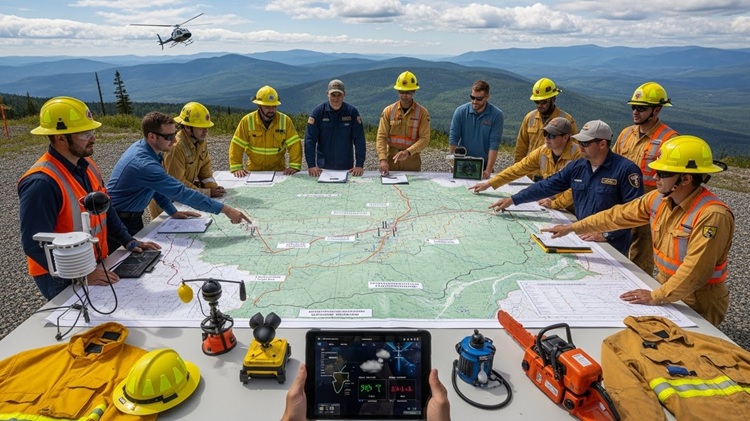
The rising frequency and intensity of wildfires have prompted a reevaluation of how utility companies approach fire management. In this context, utility fire mitigation planning has emerged as a crucial strategy for safeguarding vital infrastructure, community well-being, and environmental health. The importance of well-structured utility fire mitigation planning cannot be understated; it is a fundamental aspect for modern utilities, their operations, and the communities they serve.
Defining Utility Fire Mitigation
Utility fire mitigation involves a comprehensive strategy aimed at minimizing the risk of wildfires ignited by utility infrastructure, including power lines, substations, and pipelines. Various factors, such as equipment malfunctions, high winds, and the presence of environmental debris, present significant fire risks. By identifying and understanding these vulnerabilities, utilities are better positioned to implement preventive measures that can mitigate the likelihood of ignition and reduce the impact of any incidents that may occur.
The Necessity of Effective Planning
The increasing threat of wildfires has compelled utility companies to rigorously reassess their fire management protocols. Utility fire mitigation planning transcends mere compliance; it embodies a commitment to environmental stewardship and the enhancement of community safety. The implications of effective planning are multifaceted:
- Infrastructure Protection: Safeguarding utility assets from wildfires can lead to significant reductions in repair and restoration costs while ensuring a consistent level of service to customers.
- Safety Enhancement: By proactively addressing fire risks, utilities play a critical role in protecting the lives of their workforce, customers, and the broader public from potential hazards.
- Environmental Preservation: Wildfires can cause extensive damage to ecosystems. Effective mitigation strategies can reduce environmental degradation, thereby protecting biodiversity and essential natural resources.
- Regulatory Compliance: Increasingly stringent regulations require utilities to develop and maintain effective fire mitigation plans. Adhering to these requirements not only avoids potential penalties but also builds public trust and confidence in utility operations.
Strategies for Effective Implementation
To effectively implement utility fire mitigation planning, several strategies can be employed:
- Conducting Risk Assessments: A thorough risk assessment is the cornerstone of any effective mitigation plan. This involves identifying areas particularly vulnerable to fire and analyzing the vegetation surrounding utility installations. Historical fire data is also instrumental in establishing mitigation priorities.
- Vegetation Management: A critical element of fire prevention is the management of vegetation around utility infrastructure. Regularly scheduled practices—such as tree trimming, removal of dead or dying plants, and controlled burns—are essential for significantly lowering ignition risks.
- Equipment Maintenance: Routine inspections and maintenance of utility equipment are vital to prevent failures that could initiate fires. This includes detailed examinations of power lines, substations, and other critical infrastructure to ensure their integrity against fire risks.
- Community Education and Involvement: Fostering a culture of fire safety necessitates active engagement with local communities. Utilities should facilitate workshops to educate residents about fire risks, preparedness strategies, and safety measures, empowering individuals to take proactive actions during emergencies.
- Establishing Emergency Response Protocols: In addition to preventive measures, having a clearly defined emergency response plan is essential. Utilities must establish explicit protocols for detecting and reporting fires, as well as coordinating response efforts with local firefighting agencies to ensure timely and efficient interventions.
Conclusion
In conclusion, utility fire mitigation planning is an indispensable practice that enhances infrastructure protection, safeguards communities, and preserves the environment from the persistent threat of wildfires. By adopting strategies that prioritize risk assessment, vegetation management, equipment maintenance, community engagement, and emergency preparedness, utilities can significantly reduce their fire risk. EMPACT Engineering emphasizes the importance of treating these planning initiatives with the seriousness they deserve—not only to comply with regulatory requirements but to honor the essential responsibility of protecting communities and our natural environment. As the frequency of wildfires continues to rise, the significance of comprehensive utility fire mitigation planning grows ever more critical.