
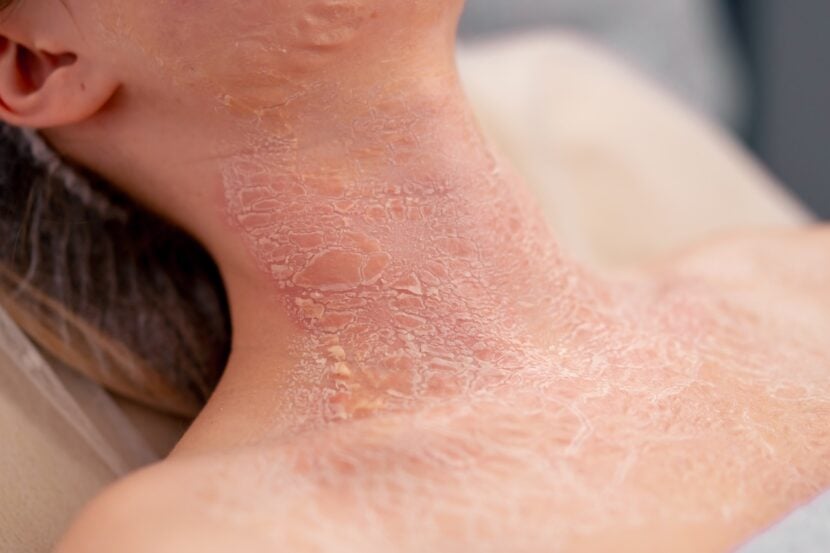
When it comes to your skin, understanding what’s normal and what’s not can be challenging. While many skin issues can be managed with over-the-counter treatments or at-home remedies, some conditions require the expertise of a dermatologist. A dermatologist can accurately diagnose and treat these issues, preventing them from developing into bigger problems. Below, we’ll explore five common skin conditions that warrant a professional’s attention.
1. Persistent Acne that Won’t Respond to Treatment
Acne is one of the most common skin conditions, affecting people of all ages. While occasional pimples are normal, persistent breakouts that do not respond to over-the-counter creams, gels, or washes may signal a deeper issue. A dermatologist can determine whether your acne is caused by bacteria, hormones, or other factors. With a tailored treatment plan—including prescription medications or professional procedures like chemical peels or laser therapy—your dermatologist can help you achieve clearer skin in the long run.
2. Suspicious Moles or Skin Growths
Moles are typically harmless, but a sudden change in a mole’s appearance can signal something more serious, such as skin cancer. If you notice a mole that changes in size, shape, or color—or if it becomes itchy, bleeds, or develops uneven borders—it’s crucial to seek medical advice. Dermatologists perform professional skin exams and biopsies when needed, ensuring any concerning spots are addressed early. Remember: early detection of skin cancer significantly improves treatment outcomes.
3. Eczema and Chronic Itching
Eczema is a chronic skin condition that results in irritated, red, and itchy patches. It can significantly impact your quality of life, especially when flare-ups are frequent or severe. While moisturizers and antihistamines may provide some relief, a dermatologist can help control eczema through a more comprehensive treatment plan. This may include prescription corticosteroid creams, phototherapy, or recommendations for lifestyle changes that minimize triggers.
4. Psoriasis Flare-Ups
Psoriasis is an autoimmune condition that causes rapid skin cell buildup, leading to thick, scaly patches on the skin’s surface. These patches are often itchy, painful, and prone to cracking. Over time, psoriasis can also affect your joints, causing a condition known as psoriatic arthritis. If you experience persistent or spreading psoriasis, it’s best to consult a dermatologist. They can recommend effective treatments, like topical ointments, biologic therapies, or systemic medications, to manage your symptoms.
5. Rosacea and Persistent Redness
Rosacea is more than a mild blush or facial redness—it’s a chronic condition that can worsen over time if left untreated. Characterized by redness, small visible blood vessels, and acne-like bumps, rosacea can also lead to eye irritation or thickened skin in severe cases. Dermatologists can help identify rosacea triggers unique to you and prescribe medications like topical antibiotics or oral treatments to reduce inflammation and improve your skin’s appearance.
Why Seeing a Dermatologist Matters
Your skin often reflects your overall health. Ignoring chronic or unusual skin issues can lead to complications or prolonged discomfort. Professional dermatological care not only addresses the root cause of your skin woes but also prevents potential harm to your health. Whether you’re dealing with one of the conditions above or have other skin concerns, seeking expert advice is always a wise choice.
Your skin deserves specialized attention—don’t hesitate to schedule an appointment when something feels off. A healthy, glowing complexion starts with the right care.