
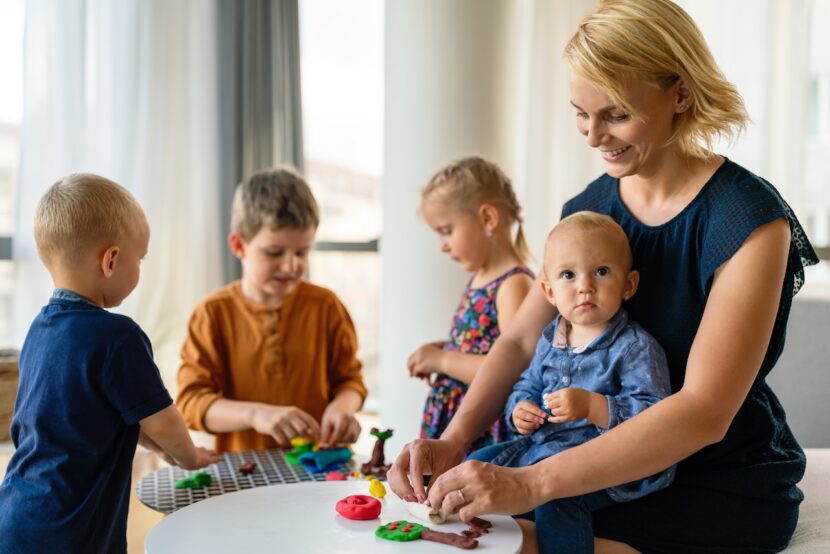
In the world of early childhood education, the child-to-teacher ratio plays a vital role in shaping children’s experiences, safety, and overall learning outcomes. Striking the right balance is not just a regulatory requirement—it’s essential for fostering an environment where children can thrive.
This article explores why low child-to-teacher ratios matter, highlighting their impact on both safety and learning.
Ensuring Safety Comes First
When teachers are tasked with supervising large groups of children, safety can easily become compromised. Young children, especially toddlers and preschoolers, require close monitoring to prevent accidents, conflicts, or even health incidents that might arise. A low child-to-teacher ratio ensures that every child is properly supervised and no behaviors, mishaps, or emergencies go unnoticed.
Smaller groups allow educators to focus on each child’s needs and ensure that classrooms or activity areas remain well-organized and under control. For instance, a higher number of teachers per child ensures that safety protocols, such as regular headcounts during outdoor play or field trips, can effectively mitigate risks.
Moreover, educators in classrooms with fewer children can readily identify any physical or emotional distress. A scraped knee or a sudden allergic reaction will not escape notice in environments where teachers have the capacity to give each child the attention they deserve. In short, low child-to-teacher ratios directly contribute to creating nurturing and secure spaces for children.
Promoting Meaningful Connections
Understanding a child’s unique personality, needs, and learning style is fundamental to their development. This is where low child-to-teacher ratios allow teachers to connect more deeply with their students, fostering strong relationships built on trust and understanding.
When teachers work with smaller groups, they can spend quality time with each child, offering them the guidance, encouragement, and care they need. These meaningful interactions play an integral role in building children’s self-esteem, communication skills, and overall social-emotional development.
Additionally, strong teacher-child relationships lead to better support for children who may struggle academically, socially, or emotionally. When teachers form closer bonds with their students, they are better equipped to notice developmental milestones or identify areas where additional intervention may be needed.
Boosting Learning Outcomes
Low child-to-teacher ratios significantly improve the quality of education. Fewer children per teacher mean more opportunities for individualized instruction and targeted learning support. Each child’s strengths, weaknesses, and interests can be addressed appropriately when the teacher’s attention isn’t spread too thin.
Smaller class sizes also encourage active participation in learning activities, as children feel more comfortable expressing themselves in smaller groups. Teachers can better facilitate hands-on learning experiences, creative projects, and focused group discussions. This individualized attention helps foster curiosity, critical thinking, and problem-solving skills.
Additionally, more focused instruction often translates into smoother classroom transitions, less disruptive behavior, and the ability to adapt lesson plans to current needs. All these factors combine to create optimal learning environments where children can reach their fullest potential.
The Added Benefit for Parents and Caregivers
Parents and caregivers also reap the benefits of low child-to-teacher ratios. Knowing that their child is in a supportive, safe, and engaging environment provides peace of mind. Further, consistent interactions with teachers in small classrooms allow parents to remain closely connected to their child’s progress, fostering regular communication and collaboration between home and school.
A Standard That Matters
While achieving low child-to-teacher ratios may mean investing in additional staff, the long-term rewards far outweigh the costs. Early childhood education centers that maintain smaller ratios demonstrate their commitment to safety, quality instruction, and holistic development.
Ensuring a positive early learning experience sets the foundation for future success. When children grow up feeling safe, supported, and understood, they approach learning—and life—with confidence, curiosity, and resilience.